

In early 2022, Axis.com, the official website of Axis Communications, faced a major cyber attack that caused widespread concern across the industry.
The Axis.com outage 2022 left users without access to vital services, prompting an urgent forensic investigation.
Over several weeks, experts uncovered how a social engineering attack led to internal systems compromised, severely disrupting operations.
The company’s struggle to recover and maintain transparency highlighted the growing risks businesses face from cyber threats.
This article breaks down the full timeline, forensic reports, recovery progress, and lessons learned. If you rely on connected systems or IP camera access, understanding what happened here is essential.
The fallout from the Axis.com breach serves as a stark reminder that no organization is immune.
Companies must reevaluate their defenses, update threat detection systems, and prepare for increasingly complex attack methods.
Good cyber habits and a solid plan for attacks aren’t optional anymore — they’re essential for long-term survival.
Overview: What Happened to Axis.com?
In early 2022, users reported massive service disruption on Axis.com. Customers couldn’t access key features like IP camera access or tech support.
Behind the scenes, Axis was already struggling with a hidden cyber-attack. Hackers had quietly entered their system and started the remote control software installed phase of their plan.
The full scale of the IT infrastructure compromised only became clear when Axis disconnected its networks to prevent the attack from spreading.
This external connectivity shutdown was a defensive move. Still, it caused widespread downtime and affected both U.S. and global users. Services like camera streaming and online dashboards entered restricted operating mode.
As digital systems failed, Axis engineers raced to contain the threat and isolate infected segments. Internal communication slowed, and customers were left in the dark, unaware of the malware detection efforts happening behind closed doors.
The clock was ticking as each hour offline meant lost trust and increased data exfiltration risk.
General Statement and Initial Forensic Findings (March 6th)
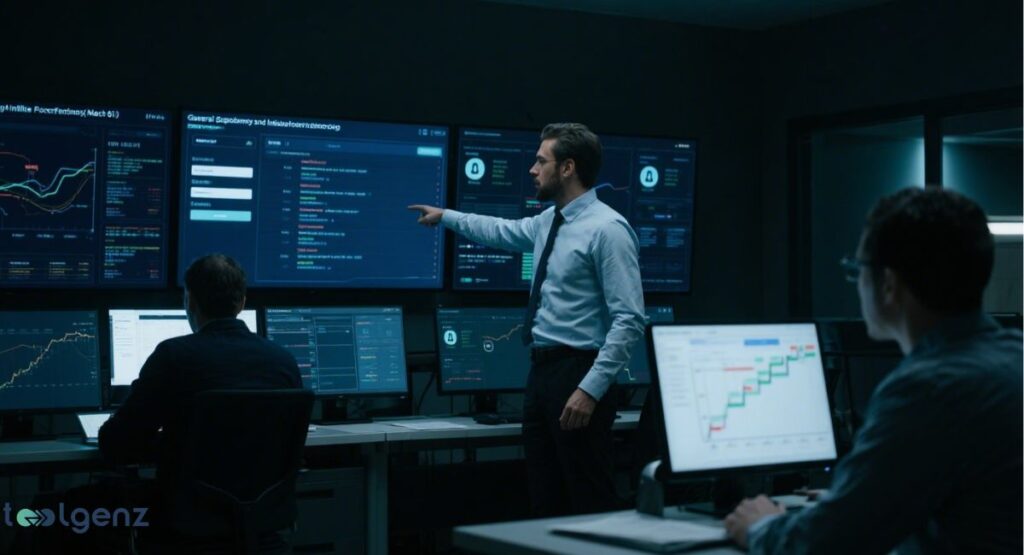
On March 6, Axis issued its first statement. It confirmed the cyber attack response had already begun.
They brought in external forensic experts to dig deeper. It was revealed that this was not just a bug or glitch. It was a real cyber-attack against internal systems.
Forensic analysis found that the hackers had slipped past security measures using phishing or credential theft. Once inside, they planted malware to spread deeper.
Early indicators showed abnormal logins and data flows. The team knew right away this wasn’t a small mistake—it was organized, targeted, and dangerous.
The presence of network scanning tools further confirmed the attackers were mapping out infrastructure.
Still waiting on security approval to access critical systems for core systems delayed deeper inspection, while the team worked around the clock to trace. Experts carefully analyzed the malware from logs.
Visit CISA for official cyber response protocols and threat advisories.
Post Mortem Results and Early Warnings (February 21st)
Before the official announcement, Axis already had warning signs. Internal logs showed red flags as early as February 21.
However, these alerts were missed or dismissed. The threat detection system hadn’t fully caught what was happening. Emails and file access logs were off, but no action was taken.
In the post mortem findings, Axis admitted that better internal communication and detection tools were needed. The delay in responding gave attackers more time to explore, gather data, and infect.
This shows how ignoring small alerts can lead to a larger disaster. Axis failed to see how close they were to a full system breakdown.
The internal directory compromised was one of the earliest signs of trouble. Had a deeper audit occurred sooner, the cyber attack might have been stopped.
Unfortunately, it wasn’t until later that the malware detection processes were upgraded and enforced properly.
Forensics Concluded: Root Cause Analysis (March 21st)

By March 21, the forensic investigation wrapped up. The results were shocking. The hackers used network scanning tools to map out the system.
They then tricked staff through a phishing scam to gain access that gave them admin access. Once inside, they exploited an old security vulnerability alert that had never been patched.
The malware was studied by cyber teams. This experts carefully analyzed the malware revealed that attackers had created backdoors.
This allowed data to be taken and systems to be controlled remotely. The breach was not random—it was crafted by skilled professionals.
Axis confirmed that both some of our internal systems were breached and the tools and services customers rely on were affected were at risk.
Software checksum verification showed altered binaries, confirming that data integrity ensured was no longer valid during the peak of the breach.
At that stage, Axis had no choice but to overhaul core access protocols and begin system hardening post-breach to prevent repeat incidents.
Details About the Cyber Attack and Its Impact
The cyber attack affected many layers of Axis.com. Key features were locked down. Users lost access to devices, settings, and even Axis staff contact information.
Some data was encrypted and there was a real data exfiltration risk. Even backups were targeted.
A recovery team worked around the clock. They verified the software checksum verification to make sure the malware hadn’t changed base code.
Legal teams had to send a GDPR authority notification because user data might have been accessed.
The incident also raised major questions about data integrity ensured across all systems.
To regain trust, Axis also began a full response to the cyber attack plan involving transparency reports, client notifications, and continuous monitoring.
Efforts to restore core services went hand-in-hand with a deep rethinking how users log in and access the system to prevent similar breaches in the future.
No Public Communication: How the Silence Made Things Worse

One of the biggest mistakes Axis made was staying silent for too long. Users were confused. No emails or alerts explained the issue.
This lack of transparency and trust rebuilding created anger. Without knowing if their data was safe, customers feared the worst.
The long silence damaged Axis’s reputation. Users relied on third-party news and social media for updates. There was no crisis control.
A simple statement could have eased tension and shown leadership. Instead, many users left the platform and looked for other providers.
Eventually, Axis had to issue a delayed GDPR data notification and launch a full-scale the tools and services customers rely on were affected update.
But by then, much of the damage was already done—both to user trust and brand reliability.
Axis.com Down for Days: Timeline of the Outage
The outage timeline shows how serious the situation became:
| Date | Event |
| Feb 21 | First unusual activity recorded |
| Mar 1 | Attack fully activated |
| Mar 6 | Public statement issued |
| Mar 12 | Data analysis completed |
| Mar 21 | Root cause published |
| Mar 28 | Partial services restored |
These delays show how deep the damage was. Once the internal directory compromised, rebuilding trust and stability became even harder. Axis’s global support teams had to work without full access, creating more delays.
Services Are Slowly Coming Back: Recovery Timeline
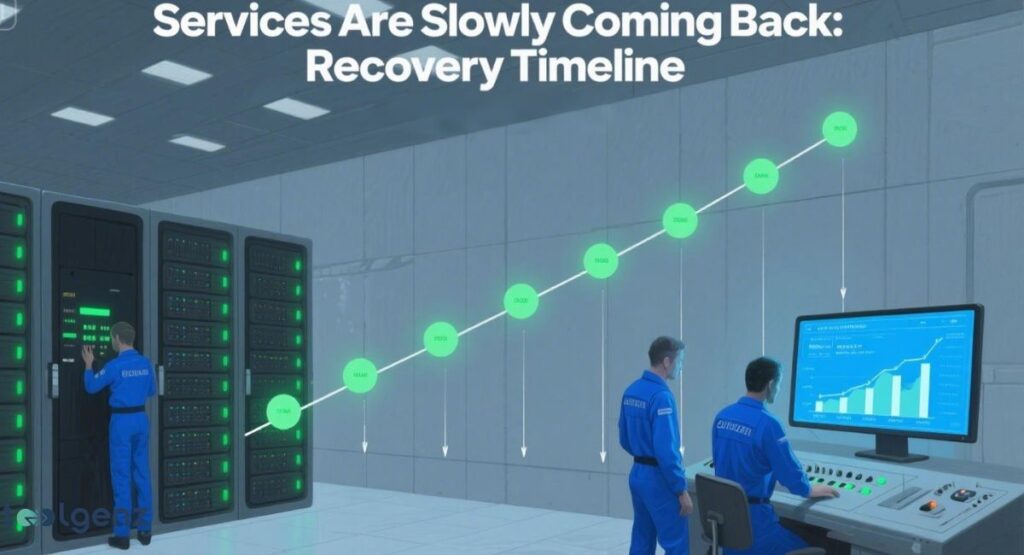
After the cyber attack, Axis began to recover. The service restoration timeline was careful and phased. Some features returned by March 28, while full system access came weeks later.
Engineers worked on each tool and ensured data integrity ensured before reactivating anything.
Critical services like cloud video, support tools, and log-in portals took longer. Axis redesigned access levels to prevent future breaches. This access method redesign made logins safer. Systems were brought back only after they passed security checks.
The team also focused on strengthening the system’s security after the cyber attack, applying updated patches and enforcing stronger two-step verification to block future hacks. This step was vital to restore both operations and user confidence.
Was There a Vulnerability? Lessons in Cyber Hygiene
Yes, Axis had weaknesses. The security vulnerability alert used by attackers was known months earlier. But Axis hadn’t applied patches in time. The attackers used this to move deeper into the system.
The event proves that good cyber hygiene isn’t just a checklist. It’s a mindset. Every company should patch fast, run drills, and train teams regularly.
Axis learned this the hard way. They now run daily security audits and use software checksum verification to confirm system health.
They also brought in external forensic experts to assess ongoing risks and updated protocols to avoid another cybersecurity breach of this scale.
Cybersecurity Lessons from the Axis.com Cyber Attack
What can other businesses learn from this? First, always listen to your threat detection system. Second, train employees to spot phishing or credential theft attempts. Third, never delay patching known flaws. Time is your enemy in a breach.
Axis now uses system hardening post-breach methods, including extra firewalls and better identity controls. They also require multifactor authentication bypass protection and regular penetration testing.
These steps, while expensive, are cheaper than the damage caused by an attack.
Their approach reflects a new standard in cyber defense—proactive, layered, and deeply integrated with real-time monitoring and response to the cyber attack protocols.
Explore how Alaya AI tackled similar cybersecurity challenges.
What Should Companies Learn from the Axis.com Cyber Attack?
This event is a real case study in what not to do—and what to do better. Businesses must plan for worst-case scenarios.
They must treat every login attempt and alert seriously. And most importantly, they must speak to customers openly when something goes wrong.
Cyber events will happen. But how a company responds shows its true strength. Axis is slowly rebuilding.
But the scars will remain. The still waiting on security approval to access critical systems process is ongoing. It will take time to rebuild customer trust.
Cyber intrusion response, combined with transparency and trust rebuilding, is no longer optional—it’s essential.
Companies must document response plans, run incident simulations, and stay informed about evolving threats. Learn from Axis’s experience. Don’t wait until it’s too late.
FAQs
1. What was the largest cyber attack ever?
The WannaCry ransomware attack in 2017 is considered the largest, affecting over 200,000 systems across 150 countries and causing billions in damages.
2. What are the top 3 types of cyber attacks?
The top three are phishing attacks, malware infections, and ransomware attacks, which are responsible for most data breaches.
3. What is the most powerful cyber attack?
The Stuxnet worm is often called the most powerful; it sabotaged Iran’s nuclear program and marked a new era in cyber warfare.
4. What are the top three targeted countries for cyber attacks?
The United States, China, and Russia are the top three most targeted nations for cyber attacks globally.
5. Where do 90% of all cyber attacks come from?
About 90% of all cyber attacks originate from phishing emails, often launched from compromised or spoofed email accounts.