
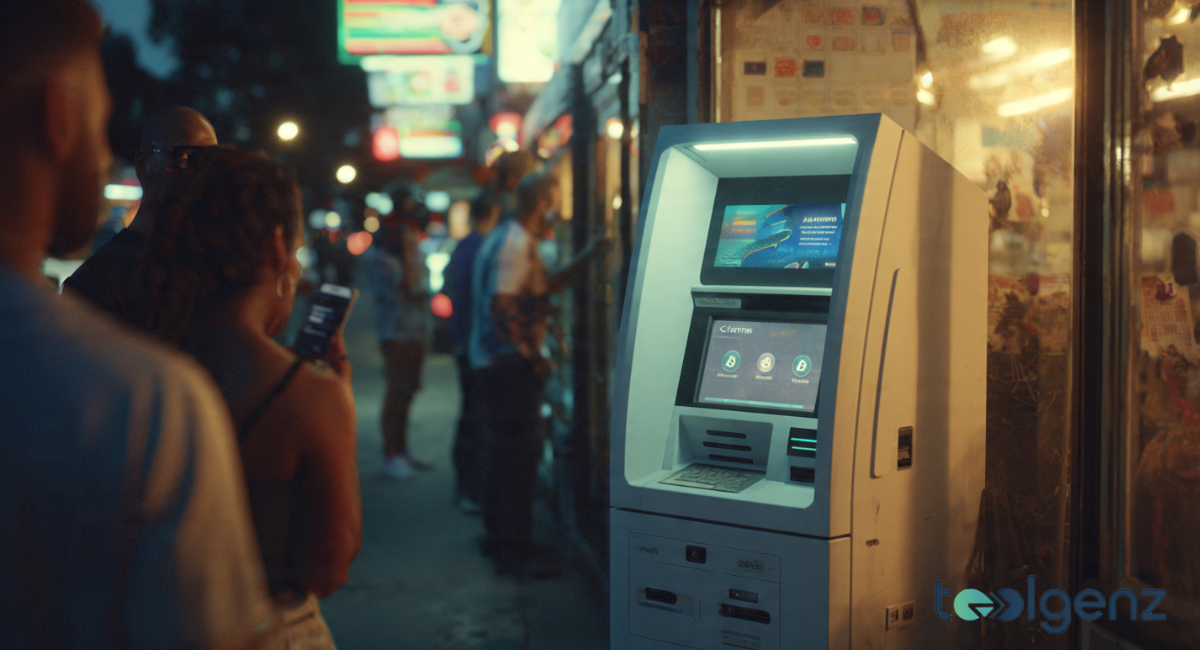
Crypto ATMs are popping up everywhere in the U.S., from gas stations and malls to your local corner store.
While these machines seem like a quick way to convert cash into cryptocurrency, their convenience can come with hidden risks. Sky-high fees, increasing scams, and growing Bitcoin ATM fraud have caught the eye of regulators and law enforcement alike.
Reports from the FBI show increasing losses linked to cryptocurrency ATM machines, especially among first-time users. As bans expand and rules tighten, understanding how a Crypto ATM works and the risks involved is more important than ever for everyday Americans.
What Is a Crypto ATM and How Does It Work?
Digital currency ATM allows you to buy or sell digital assets using physical cash. Most machines support Bitcoin, though many also offer Ethereum and Litecoin. Unlike bank ATMs, cryptocurrency ATM machines connect directly to blockchain networks instead of financial institutions. You scan a wallet QR code, insert cash, confirm the amount, and receive crypto within minutes.
Often called Bitcoin Teller Machines (BTMs), they seem simple to use but the simplicity masks the potential dangers. Once a transaction is complete, it’s irreversible any mistake or scam cannot be corrected. For first-time users, this single feature creates the greatest danger.
Crypto ATM vs Bitcoin ATM vs Crypto Kiosk
These terms are often used interchangeably. A Bitcoin ATM handles only Bitcoin, a crypto machine can support multiple coins, and a crypto kiosk is just another name for the same thing. In daily use, all operate the same and carry the same risks.
Why Crypto ATMs Are Exploding Across the U.S.

The rapid growth of crypto ATMs in America reflects deeper financial gaps. Many users belong to the underbanked population crypto communities rely on. In a cash-heavy economy, traditional banks feel distant or unhelpful. The kiosks offer fast access without long approval processes.
Location plays a big role in their growth operators place machines in busy spots like malls and convenience stores to reach more users. This expansion aligns with non-bank financial services that already serve cash users. For many, a crypto ATM becomes their first step into digital asset onboarding.
Where Crypto ATMs Are Most Common in America
Urban areas host the most machines, but smaller cities are catching up. Border regions matter too. Near the Idaho border, machines can move quickly if cities restrict them. This flexibility makes it harder for regulators to enforce consistent rules across the country.
The Hidden Costs: Fees and Limits of Bitcoin ATMs
Fees remain one of the biggest shocks. A typical crypto ATM charges between eight and fifteen percent per transaction. These These machine fees include service costs and wide price spreads. Daily limits also apply, often capping how much you can buy or sell.
Operators say the high fees cover speed, cash handling, and regulatory compliance, but many users still feel surprised and frustrated by the charges. These high charges have fueled demands for crypto ATM removal in several cities.
Why Crypto ATM Fees Are Higher Than Exchanges
Online exchanges move slower and demand full identity checks. A crypto ATM trades speed and partial privacy for higher prices. With crypto ATMs, convenience comes at a premium.
Crypto ATM Scams on the Rise: How Fraudsters Target Users

Scammers prey on fear and urgency, often starting with intimidating phone calls or urgent messages. Victims are told they owe taxes or face arrest. These IRS impersonation scams pressure people to act fast.
Once cash enters a the machine, recovery is impossible. Funds move instantly overseas, often traced to Nigeria / China / Russia. Some victims have lost their life savings in just a few hours.
Who Scammers Target Most Often
Scammers focus on people they can manipulate emotionally. Scammers targeting elderly rely on trust and confusion. Romance scams cryptocurrency cases are also rising, using emotional bonds to drain funds slowly.
Common Warning Signs of Bitcoin ATM Fraud
Most scams follow patterns. Victims are told to pay using a bitcoin ATM fraud method only. They are warned not to tell anyone. These government impersonation scams rely on secrecy and fear.
Remember: no legitimate agency will ever demand payment through such machines. Keeping this rule in mind can prevent most losses.
What to Do If You’re Asked to Use a Crypto ATM
Stop immediately, speak with family or trusted friends, and reach out to local authorities for guidance. The Spokane Police Department emphasizes delay as the strongest defense against fraud.
Government and Regulatory Crackdowns on Crypto ATMs
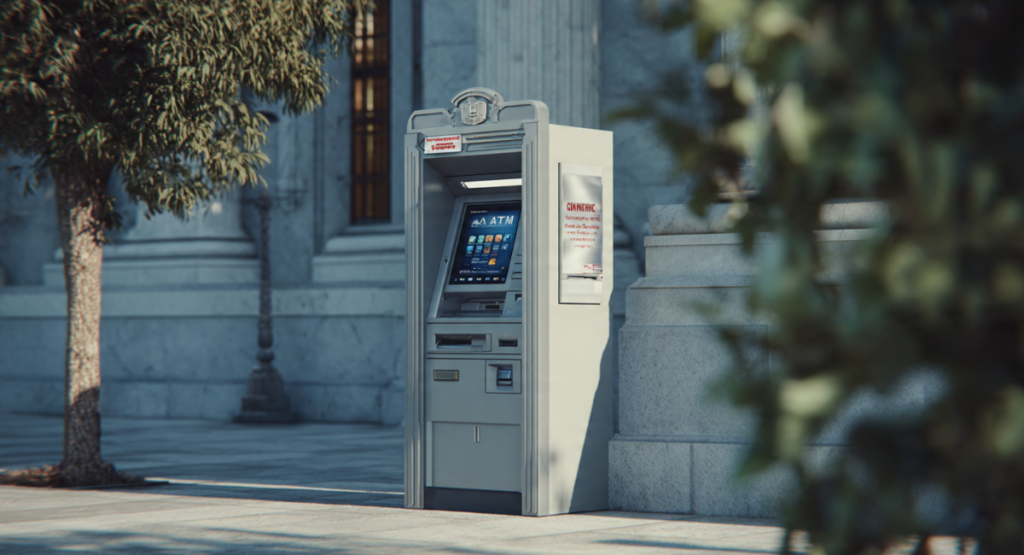
Local governments are stepping in. Spokane, Washington passed a city council ordinance banning crypto ATMs entirely. Stillwater, Minnesota followed after major losses. St. Paul, Minnesota is considering similar action.
At the state level, lawmakers debate stricter oversight. Some push for a state legislature ban, while others strengthen enforcement under the regulation Bank Secrecy Act. Operators must follow KYC requirements and AML compliance, though enforcement varies widely.
Why Regulation Is Tightening Instead of Disappearing
With losses on the rise, lawmakers feel pressure to act and protect consumers. At the same time, critics warn of privacy concerns, leaving policymakers in a tricky balancing act.
Are Crypto ATMs Safe and Legitimate to Use Today?
Even legal crypto ATMs carry risks. While licensed machines follow regulations, how users interact with them often determines safety. Machine risks increase when people act under pressure or without understanding fees.
Legitimate machines display fees clearly and provide receipts. If fees or instructions are unclear, consider it a red flag.
How to Verify a Legitimate Crypto ATM Operator
Check posted licenses. Read screens carefully. Walk away if anything feels rushed or unclear.
Alternatives to Traditional Crypto ATMs (Coinme Cash & Digital Options)
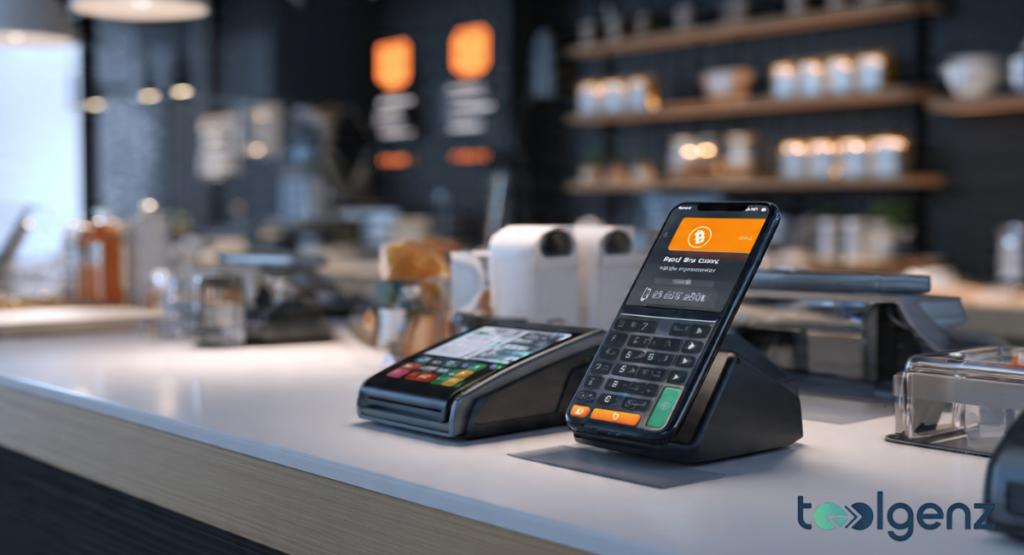
Alternatives are emerging that compete with traditional physical crypto machines. App based cash services often charge lower fees and provide better protection. These alternatives reduce exposure to scams while preserving access.
Some hybrid solutions let users buy crypto with cash without ever using a physical ATM. This shift may reshape the market entirely.
When Alternatives Make More Sense Than a Crypto ATM
If cost matters, alternatives win. If safety matters, slower methods help. Convenience should never outweigh caution.
How to Buy or Sell Crypto Safely with Cash
Staying safe begins before your first transaction: know the pricing, set limits, and keep records for tax purposes. Selling crypto also carries risks, especially when meeting strangers.
Experts agree that crypto ATM enforcement works best when paired with education. Understanding the process prevents losses far more effectively than fear alone.
Smart Habits That Reduce Crypto ATM Risk
Delay decisions. Verify stories. Never send funds under pressure.
The Future of Crypto ATMs in America
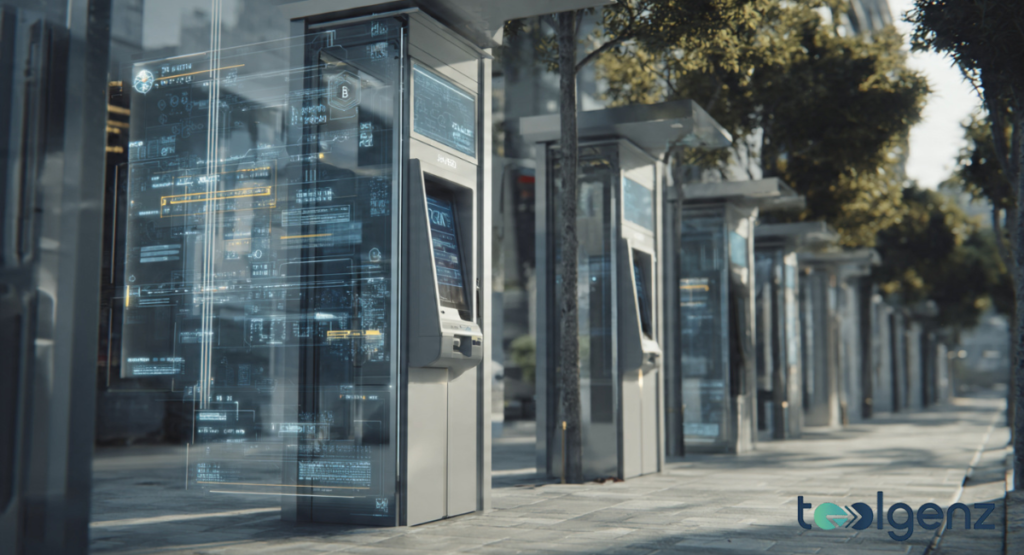
The future of the crypto ATM looks smaller and more regulated. Machines may not disappear, but tighter rules will shape their role. Expect clearer warnings, stricter limits, and fewer locations.
Supporters argue financial privacy still matters. Critics warn of growing financial fraud using crypto. The outcome depends on policy, education, and public awareness.
What Crypto ATMs May Look Like in the Next 5 Years
We can expect fewer machines, tighter regulations, and clearer protections for consumers nationwide.
Crypto ATM Snapshot in the United States
| Category | Insight |
|---|---|
| Global share | United States crypto ATMs host nearly 80% |
| Fee range | high crypto ATM fees (10%+) |
| Primary abuse | crypto ATM scams |
| Most affected users | underbanked Americans |
| Policy trend | Rising crypto ATM bans |
Case Study: Spokane’s Turning Point
In Spokane, Washington, repeated fraud cases pushed leaders to act. Police traced funds overseas. Victims could not recover money. After education failed, the city banned machines. Reports dropped soon after, shaping national discussions.
Final Thoughts on Crypto ATMs
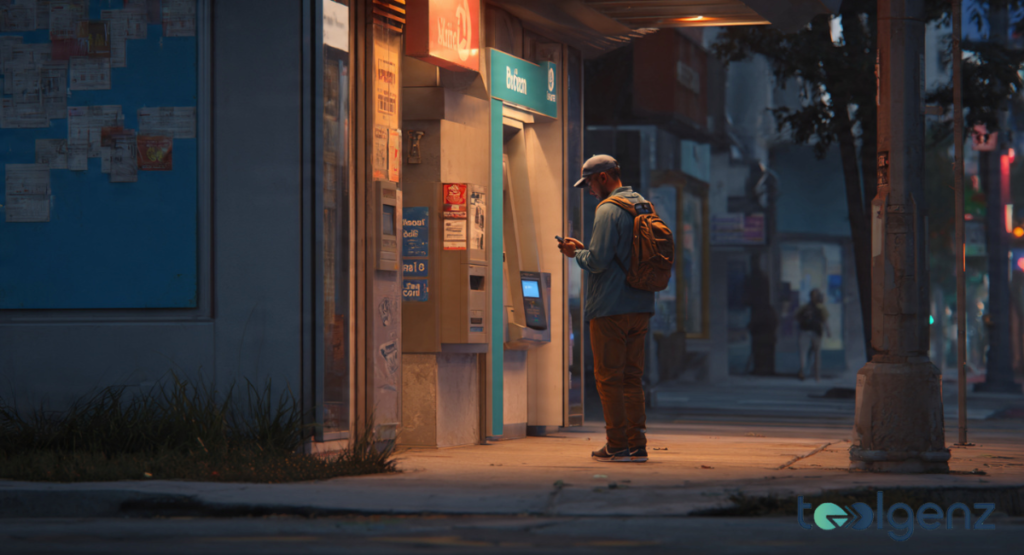
A crypto ATM fills real gaps in the financial system. It also exposes users to serious harm. Crypto ATMs provide convenience but they also carry risks. As regulation increases, personal awareness remains the strongest defense.
If you use a crypto ATM, slow down. Ask questions. Protect yourself. While the machine won’t alert you to danger, being informed helps you stay safe.
FAQS
How does a crypto ATM work?
A crypto ATM lets you buy or sell cryptocurrency using cash by scanning your wallet QR code and completing a transaction on the machine, with funds sent through the blockchain.
How much does a Bitcoin ATM charge for $100?
Most Bitcoin ATMs charge between 8% and 15%, so buying $100 of crypto may cost you $108 to $115 depending on the operator.
Can I withdraw crypto from an ATM?
Yes, some crypto ATMs allow you to sell cryptocurrency and withdraw cash, but availability depends on the machine and local regulations.
Are there cryptocurrency ATMs?
Yes, cryptocurrency ATMs are widely available across the United States and allow users to buy or sell digital assets using cash.
How do I withdraw my crypto into cash?
You can withdraw crypto into cash by selling it at a crypto ATM that supports cash withdrawals or by using an exchange and transferring funds to your bank.