
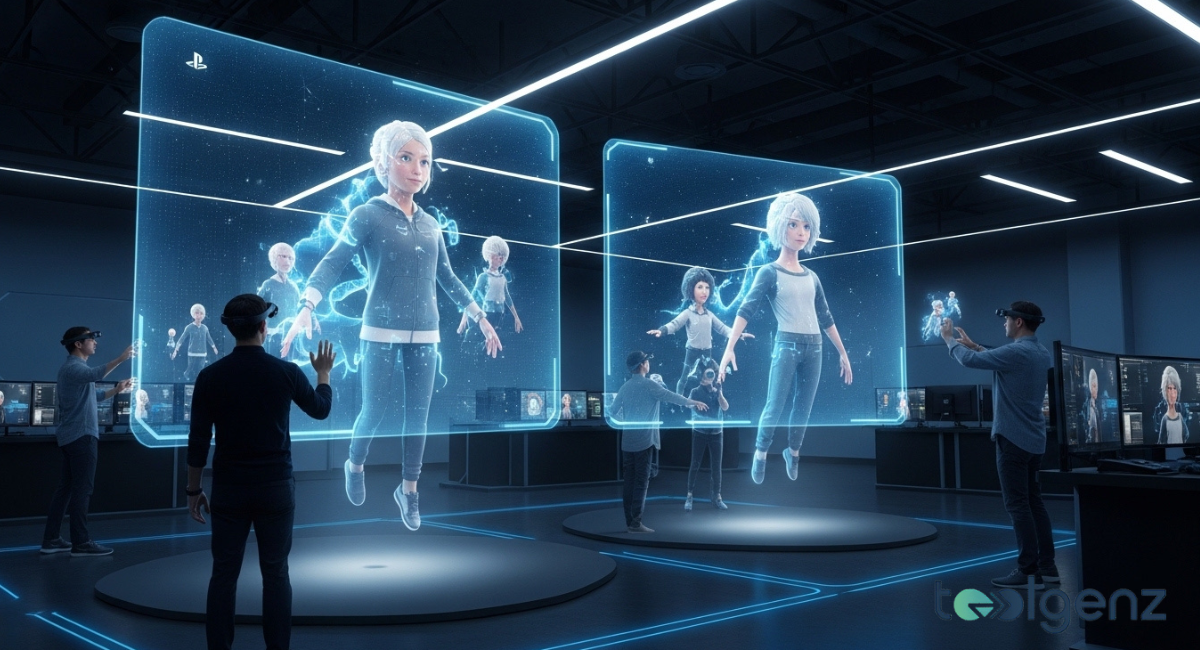
The gaming world is stepping into a new era with AI-driven characters that feel alive and responsive. Sony is experimenting with technology that lets characters like Aloy from Horizon Forbidden West hold a conversation with a player, using PlayStation AI technology and generative AI in gaming.
These innovations combine intelligent NPC interactions with advanced voice and animation systems, creating gameplay that feels dynamic and immersive. Players can now converse with characters naturally, making each session unique. By integrating AI into gameplay, Sony is not only enhancing realism but also redefining storytelling, making every game world feel more intelligent, adaptive, and truly engaging for modern gamers.
What Are AI-Powered Characters in Gaming?
AI-powered characters are non-playable characters (NPCs) that behave and respond like real humans. Unlike traditional NPCs with scripted lines, these intelligent characters understand speech, predict actions, and adapt to player behavior in real time. Players can ask questions, give commands, or interact freely, creating a truly immersive experience. Voice synthesis adds emotion, making the game world feel alive.
The potential is enormous. Imagine entering a game where Aloy remembers past conversations, reacts to your choices, and even improvises dialogue. AI characters enhance exploration, deepen the story, and make each session feel personal. They represent a new generation of game storytelling, turning static scripts into interactive, evolving narratives that respond to every player’s choices.
How Sony Plans to Integrate AI Into PlayStation Games
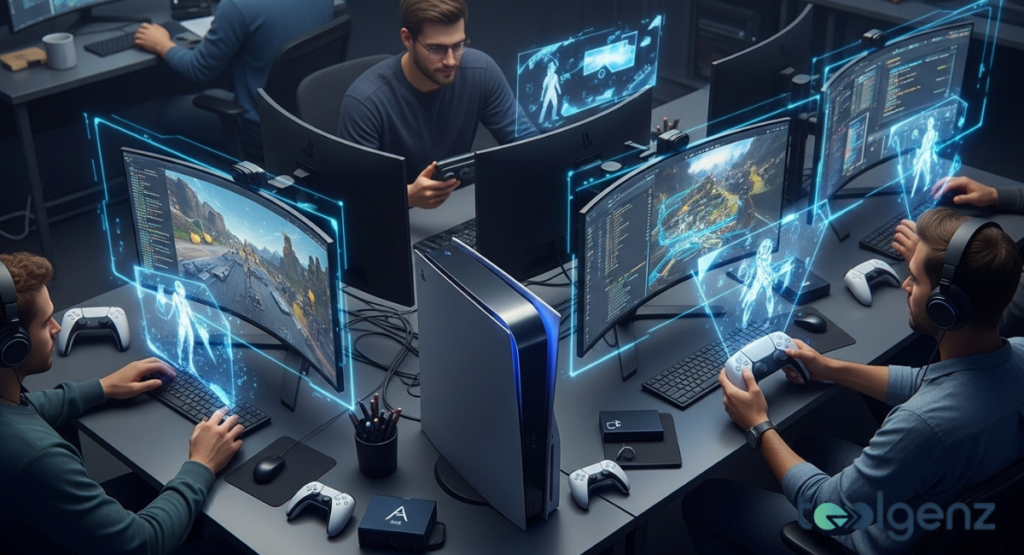
The scene suggests an integrated pipeline from authoring to in-engine testing.
Sony is integrating AI using a combination of PC and PS5 systems. Their internal demos show that AI characters can run efficiently on consoles without heavy overhead. The technology uses Emotional Voice Synthesis (EVS) for lifelike speech and Mockingbird technology to match audio with facial expressions in real time. Behind the scenes, AI models like GPT-4 and Llama 3 help characters decide how to respond to complex player inputs naturally.
Sony is collaborating with Guerrilla Games to bring these AI features into titles like Horizon Forbidden West. AI characters are designed to interact seamlessly within existing gameplay loops. By applying techniques from generative AI tools in the workplace, developers can prototype faster while players enjoy more dynamic interactions. This strategy is part of Sony Interactive Entertainment’s effort to redefine what a PlayStation game can offer.
Benefits of AI in Gaming Experiences
AI-powered characters bring multiple benefits. Players experience more realistic worlds, adaptive gameplay, and personalized stories. Characters can react emotionally, remember player choices, and adjust behavior over time. For example, a companion NPC might offer hints, joke, or express concern based on past decisions, making gameplay less predictable and more engaging.
AI also improves efficiency for developers. Designing lifelike NPCs manually is time-consuming, but AI can generate complex behaviors, natural animations, and realistic dialogue automatically. Dynamic story elements can vary with every playthrough, giving each player a unique experience. Overall, AI makes game worlds feel alive, reactive, and deeply engaging.
AI and Game Graphics: Imagining New Frames
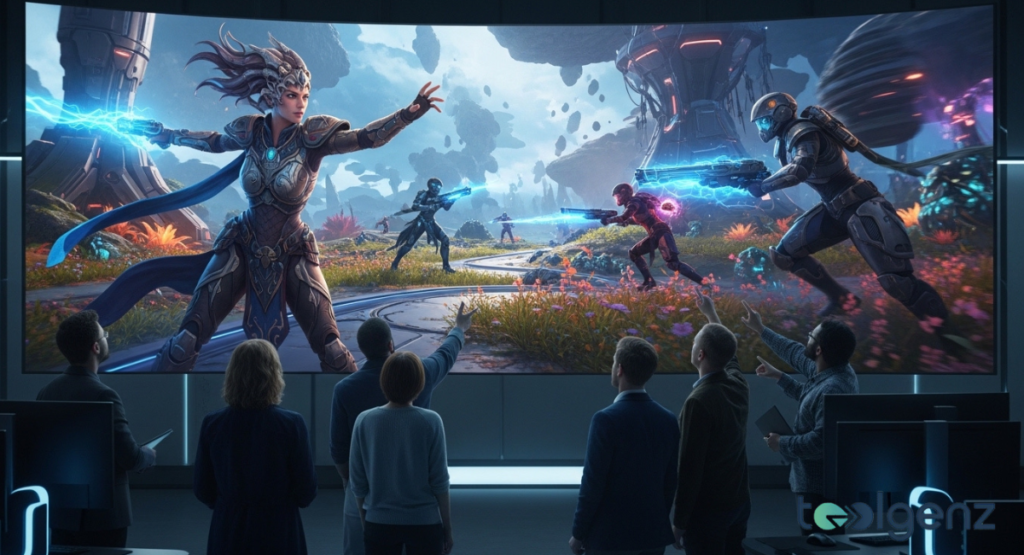
The focus is on fidelity, lighting, and dynamic effects for future titles.
AI doesn’t just improve conversations it enhances visuals. Advanced algorithms can generate frames in real time, boosting performance while reducing workload for designers. In internal demos, Aloy moves with realistic facial expressions and gestures thanks to Mockingbird technology. This creates smoother animations and richer environments without stressing hardware.
| Feature | Traditional Approach | AI-Powered Approach |
|---|---|---|
| NPC Dialogue | Scripted | Adaptive, dynamic |
| Facial Animations | Pre-rendered | Real-time, emotion-based |
| Story Elements | Fixed | Varies per player choice |
| Development Time | Long | Shorter via AI tools |
The table highlights how AI elevates interaction, visuals, and narrative quality. Pairing AI-driven storytelling with AI-enhanced graphics creates a compelling and immersive experience for gamers.
Examples of AI in Current Sony Games
The most visible example is Aloy from Horizon Forbidden West. In the AI-powered demo, she can converse with players while displaying realistic facial movements. Aloy reacts naturally to questions and prompts, creating a truly unique demo experience.
Other Sony titles are also experimenting with AI. NPCs can adjust dialogue based on player behavior, change combat strategies dynamically, and guide players through complex missions. These developments are showcased at industry events like the Game Developers Conference (GDC) 2024, where developers demonstrate AI-driven, interactive game worlds.
Challenges and Risks of AI in Games
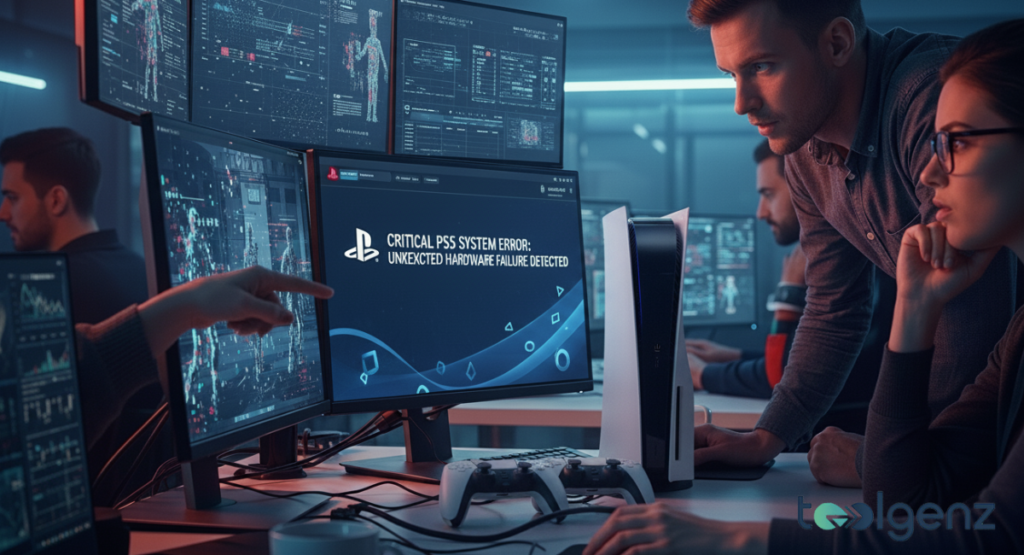
The team points at diagnostics, discussing mitigation and rollback options.
AI in games brings exciting opportunities, but also challenges. Technical issues such as processing power, latency, and console limitations can affect performance. Ethical concerns arise as well: AI characters may reduce voice acting roles or limit creative freedom. Some players might find highly adaptive NPCs unpredictable, which can break immersion.
There’s also a risk of bias or inappropriate responses from AI characters. Developers need to carefully train models like GPT-4 and Llama 3 to prevent controversial outputs. Implementing AI on platforms like PS5 and PC requires balancing performance with realism. Despite these hurdles, AI has enormous potential in shaping the future of video game development.
Industry Impact: How Competitors Are Using AI
Sony isn’t the only company exploring AI. Microsoft’s Muse AI and Nvidia’s AI gaming technology are advancing AI-driven characters. Microsoft integrates AI into Xbox storylines and character behaviors, while Nvidia showcases NPCs that can converse in real time. Nintendo and smaller studios are also testing generative AI to enhance gameplay and world-building.
Competition drives innovation. Generative AI enables dynamic storylines, adaptive quests, and richer game worlds. Sony’s AI integration keeps PlayStation at the forefront, while the gaming industry as a whole moves toward more interactive, immersive experiences. AI is becoming a key factor in modern game design.
What This Means for Gamers and Developers
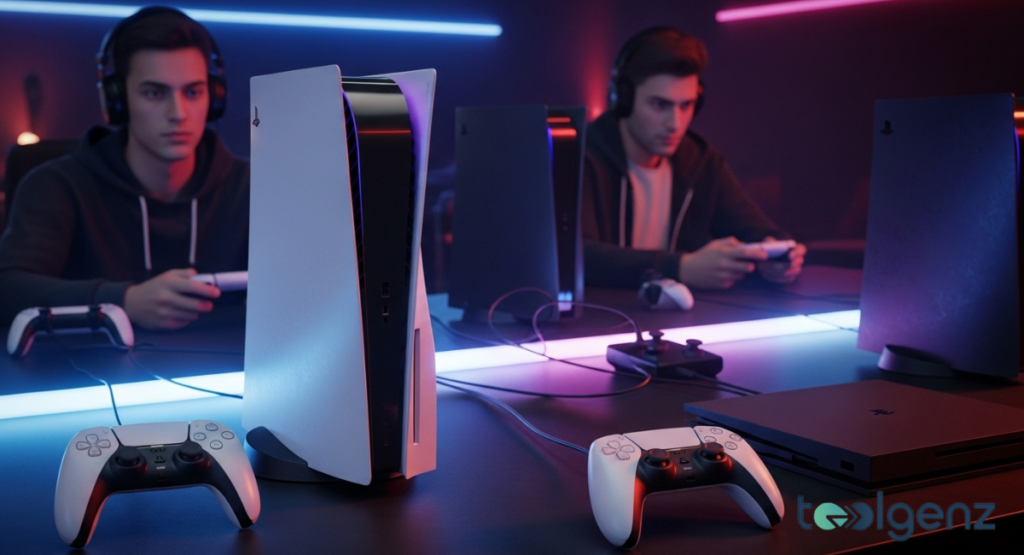
It frames how new tooling translates into living-room gameplay.
For gamers, AI-powered characters provide deeper, more engaging experiences. Players can converse naturally with characters, enjoy stories that evolve based on choices, and explore worlds with companions that react emotionally and strategically.
For developers, AI reduces repetitive tasks while boosting creativity. Generative AI tools allow faster character prototyping and dynamic storyline testing. While ethical concerns must be managed, AI is designed to augment human creativity, helping developers craft dynamic worlds and richer interactions across PlayStation titles.
Future of AI in PlayStation and Gaming
The future of AI in PlayStation games is exciting. Upcoming releases may feature fully interactive characters capable of improvisation, emotional responses, and personalized storylines. AI could enable persistent worlds where NPCs remember past actions and evolve independently, taking storytelling to a new level.
Across the industry, AI is beginning to generate quests autonomously, adjust gameplay difficulty, and build immersive environments. Players can expect smarter NPCs, interactive narratives, and more realistic AI-driven experiences. AI is set to redefine gaming, making every adventure unique, memorable, and deeply engaging.
FAQs
What does AI-Powered mean in PlayStation games?
AI-Powered in PlayStation games refers to characters or systems that think, respond, and adapt to players using advanced PlayStation AI technology.
Which games feature AI-Powered characters from Sony?
Currently, Sony has demonstrated an AI-powered version of Aloy in Horizon Forbidden West, showing realistic voice and facial interactions.
How does AI-Powered technology enhance gameplay?
AI improves realism, makes characters more adaptive, and enables immersive storytelling that reacts naturally to player actions.
Can AI-Powered characters speak with players?
Yes, AI characters can converse with players using speech recognition and voice synthesis, responding naturally to player input.
Are AI-Powered features available on PS5?
Sony is testing AI characters on both PC and PS5, ensuring smooth performance while providing intelligent and interactive gameplay features.