

Appointing an internal CEO has become a strategic move for companies looking to maintain stability and drive growth during leadership changes.
Recent examples, such as the CEO transition at Banca Monte dei Paschi di Siena (MPS), highlight how promoting from within can strengthen board coordination and support strong corporate governance.
An internal appointment provides continuity, allowing leaders to navigate challenges while preserving valuable institutional knowledge. Employees often respond positively when familiar faces take the helm, as it fosters trust and transparency.
These dynamics explain why many organizations now favor internal promotions to guide long-term strategy and reassure stakeholders.
Major CEO Changes in Global Companies
In recent years, high-profile CEO transitions have become increasingly common, especially in industries facing rapid change.
Companies like Woodside have successfully elevated leaders from within, while Italian banking giant MPS made headlines by proposing Fabrizio Palermo to replace Luigi Lovaglio. Such moves often reflect the need for a clear strategic vision that aligns with evolving business landscapes and ensures smooth board processes.
Choosing an internal CEO is more than a practical decision—it signals confidence in existing talent. By leveraging institutional knowledge, companies can tackle market challenges without disrupting day-to-day operations.
At MPS, this proposed change aims to enhance corporate governance while maintaining continuity under Chairman Nicola Maione. Across industries, internal promotions allow decision-making to be faster and more aligned with company culture, strengthening collaboration between executives and boards.
Internal Company Communications from CEOs
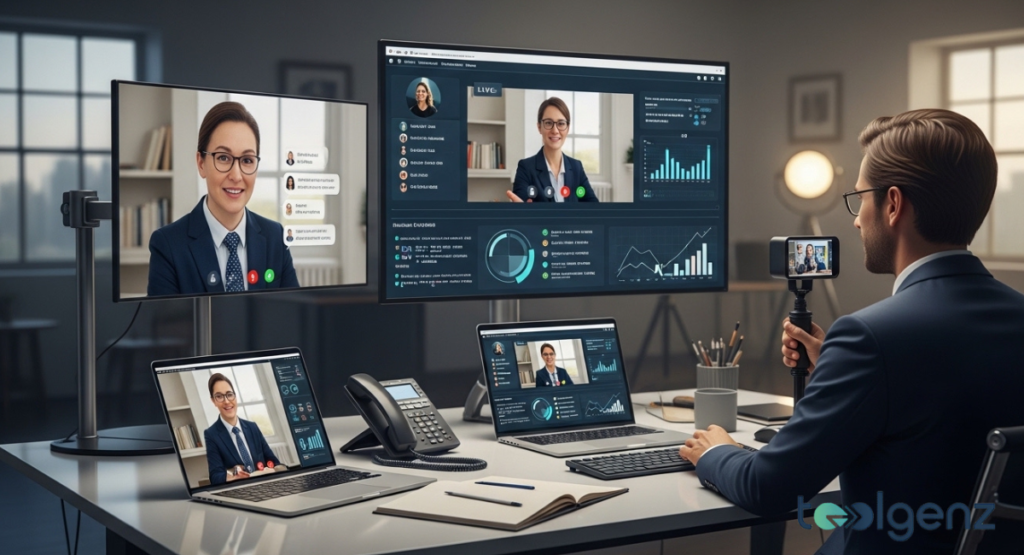
Transparent communication plays a critical role during leadership transitions. Clear memos, town halls, and detailed emails help employees understand the reasons behind a new appointment.
For example, the MPS board shared a letter emphasizing the need for a CEO with strategic skills capable of fostering strong collaboration within the board. Companies like Disney and Oura have shown how internal CEO announcements can build employee confidence and engagement during uncertain times.
Good communication ensures employees feel informed and valued. When an internal CEO assumes leadership, messaging often emphasizes continuity, familiarity, and institutional knowledge.
Explaining board evaluation processes and expected governance improvements can ease uncertainty. This approach is particularly important during transitions, layoffs, or crises, helping maintain productivity and reinforcing trust in leadership.
Employee Reactions and Layoffs
Leadership changes naturally affect employees, and reactions can vary. During CEO transitions, companies like CBS, Uber, and Lucid have seen employees respond with excitement, anxiety, or concern about layoffs.
An internal CEO can provide reassurance by keeping operations steady while addressing workforce questions directly.
At MPS, employees are observing closely how the proposed internal leader will handle challenges. Involving staff in decisions and communicating clearly can reduce tension and build loyalty.
Promoting from within also helps soften the emotional impact of layoffs by demonstrating continuity and transparency. Employees are more likely to trust leaders who understand internal dynamics and have worked alongside them, making transitions smoother and morale higher.
Strategic Moves by Companies During Conflict or Crisis

Internal CEOs often excel during times of conflict or external pressure. Companies like United Airlines and Amazon have faced operational challenges due to geopolitical events or sudden market shifts.
Leaders familiar with internal systems can respond more quickly than outsiders, balancing immediate operational needs with long-term strategy.
For example, during United’s flight reductions and Amazon’s global challenges, internal leaders leveraged their knowledge of ongoing projects and stakeholder relationships to make rapid, informed decisions.
By emphasizing continuity and renewal, companies that promote from within maintain stability while executing strategic initiatives. This ability to act decisively under pressure highlights the advantage of an internal CEO who already knows the company culture.
Technology Leadership and Innovation
Internal CEOs play a key role in guiding technology adoption and innovation. Leaders familiar with a company’s tech systems can champion AI integration, product development, and new initiatives such as vibe coding.
At Salesforce and Accenture, internal leadership has been crucial in aligning innovation with corporate strategy, helping employees adapt to new tools and workflows.
Promoting from within ensures that technological changes match long-term goals. An internal CEO can leverage historical knowledge and in-house talent to craft strategies that improve efficiency and responsiveness.
By understanding employee capabilities and maintaining board alignment, companies can accelerate innovation and remain competitive in fast-changing markets.
Executive Accountability and Public Apologies

Accountability is another area where internal leaders shine. Figures like Bill Gates demonstrate that transparency, public apologies, and acknowledging mistakes build trust and reinforce ethical standards.
An internal CEO benefits from established relationships and knowledge of organizational culture, enabling them to manage controversies effectively while preserving credibility.
At MPS, the focus on an internal appointment highlights the bank’s commitment to strong governance. Leaders familiar with internal policies can communicate honestly and ensure corrective measures are implemented efficiently, strengthening confidence among shareholders, employees, and the public.
Industry Trends in Leadership and Management
The trend toward internal CEO appointments has grown steadily. Companies recognize the value of board coordination, cultural familiarity, and strong relationships with employees.
Corporate restructuring increasingly favors internal succession, particularly in regulated or fast-evolving markets.
Comparisons show that organizations promoting internally often enjoy smoother transitions and higher employee satisfaction. For example, Italian banks and global tech firms frequently opt for internal leaders to ensure continuity and renewal.
Comparison of Outcomes:
| Metric | Internal CEO | External CEO |
|---|---|---|
| Employee morale | Higher | Moderate |
| Transition speed | Fast | Slower |
| Strategic alignment | Strong | Variable |
| Cultural fit | Strong | Needs adjustment |
Communication Best Practices from Executives

Internal CEOs are most effective when they prioritize open communication. Regular updates, open-door policies, and structured announcements help maintain trust.
Highlighting board evaluation processes and anticipated governance improvements ensures employees understand the rationale behind leadership changes.
For example, internal memos might outline immediate strategic priorities, reporting changes, and long-term goals. Clear and consistent communication reduces uncertainty, and blending formal updates with personal engagement keeps employees involved.
Celebrating continuity helps reinforce confidence in the incoming internal CEO.
Recommended Reading and Related Insights
For those interested in exploring leadership transitions further, authoritative sources offer valuable perspectives. Harvard Business Review, Forbes, and Reuters provide coverage on MPS CEO changes, internal succession trends, and board coordination strategies.
Case studies from banks, tech companies, and manufacturers illustrate the practical benefits of promoting from within. These resources guide executives, boards, and aspiring leaders in understanding the nuances of internal succession planning.
Future Implications of Leadership Changes

Appointing an internal CEO has long-term effects on company culture, strategy, and employee morale. Internal promotions preserve institutional knowledge, maintain continuity, and ensure board expectations are met.
Employees often feel reassured when familiar leaders take charge, boosting engagement and productivity.
Looking ahead, internal appointments are likely to become even more common. Companies facing uncertain markets, evolving ESG trends, and rapid technological change benefit from leaders who know the organization from the inside.
The MPS example shows how an internal CEO can navigate challenges while fostering governance, innovation, and trust across the company.
FAQS
Which CEOs are internal or external?
CEOs can be internal (promoted from within) or external (hired from outside the company).
What are the three types of CEOs?
The three types are internal CEO, external CEO, and founder CEO.
What is the position below CEO called?
The position directly below the CEO is usually the COO (Chief Operating Officer) or President.
Who gets paid more, CEO or COO?
Typically, the CEO earns more than the COO due to overall responsibility for the company.
Is a CEO an internal or external user?
A CEO is considered internal if part of the company, or external if hired from outside.