
Gas prices in the United States are climbing, affecting drivers, commuters, and businesses alike. Pennsylvania and surrounding areas have seen some of the sharpest increases in recent weeks. Experts attribute this rise to higher crude oil costs, global supply challenges, and ongoing geopolitical tensions that are impacting energy markets.
Rising tensions in the Middle East have heightened concerns about possible disruptions along the Strait of Hormuz, a critical chokepoint for oil shipments worldwide. As a result, gasoline prices in the U.S. continue to fluctuate, leaving drivers watching fuel stations closely. Understanding these price changes can help motorists plan trips and manage their fuel budgets more effectively.
Why Gas Prices Are Increasing Across Pennsylvania, New York, and the Tri-State Area
The recent rise in gas prices stems from several factors coming together. Drivers are paying more at the pump as crude oil prices climb. Experts point to Middle East tensions and global supply disruptions as major contributors.
Analysts also note that geopolitical events are adding to energy market volatility, causing oil prices to swing sharply. Reports from AAA show that gas prices in Northeast Pennsylvania have climbed faster than the national average. Jim Garrity, a spokesperson for AAA, explains that markets react quickly to international tensions, often sending fuel costs upward.
Average Gas Prices in New York, Pennsylvania, and Nearby States
Recent surveys show a clear rise in gas prices across the region. According to the latest AAA report, Pennsylvania averages around $3.45 per gallon. This increase also reflects higher diesel costs, which are closely tied to energy market volatility.
Below is a simplified regional comparison of average prices in early 2026:
| State | Average Gas Price | Monthly Change | Yearly Change |
|---|---|---|---|
| Pennsylvania | $3.45 | +$0.34 | +$0.48 |
| New York | $3.52 | +$0.31 | +$0.46 |
| New Jersey | $3.39 | +$0.29 | +$0.42 |
These numbers highlight current gasoline trends for 2026. Experts point to growing global crude oil demand and seasonal spring fuel needs as factors pushing prices higher.
How the Conflict With Iran Is Impacting Global Oil Markets
Gas prices tend to respond rapidly to political events. The conflict involving Iran, along with tensions in the U.S.-Israel region, has alarmed energy markets worldwide. Much of the concern centers on the Strait of Hormuz, where tankers carry roughly 20% of the world’s oil.
Even minor disruptions along this route can trigger sharp fluctuations in crude oil prices. As supply concerns spread, traders react quickly, contributing to volatility across global fuel markets.
Why International Conflicts Often Cause Fuel Prices to Spike
History shows that wars and conflicts often push fuel prices higher. When production areas or shipping lanes are threatened, traders anticipate shortages, causing oil contracts to climb quickly.
This surge affects refiners, who raise gasoline prices to cover higher crude costs. Investors may also speculate during these crises, increasing fears about supply disruptions. Combined, these factors drive uncertainty in the oil market and amplify the geopolitical impact on energy prices.
Seasonal Fuel Changes and Their Impact on Gas Prices
Every spring, refineries transition from winter to summer-blend gasoline. While this helps improve air quality, it also increases production costs, leading to higher summer gas prices.
Some refineries reduce output during this seasonal change, tightening supply when demand is rising. Along with the spring travel season, this temporary reduction in supply contributes to higher fuel costs before summer peaks.
What Drivers in the Tri-State Area Should Expect in the Coming Weeks
Experts predict gas prices may remain volatile for several weeks. If tensions in the Middle East persist and oil costs continue to rise, 2026 gas prices could climb further, with volatility possibly extending into early summer.
On the other hand, if the Strait of Hormuz remains stable, concerns over global supply disruptions could ease, potentially reducing pressure on U.S. gasoline prices.
Tips for Drivers to Save Fuel and Reduce Gas Expenses
With gas prices rising, drivers are looking for ways to save. Simple habits like smoother acceleration, slower highway speeds, and reducing idling can noticeably lower fuel consumption.
Routine car maintenance can also help. Keeping tires properly inflated, using clean air filters, and ensuring your engine runs efficiently can improve fuel economy and save money at the pump. Planning trips carefully and minimizing unnecessary drives can also reduce exposure to volatile fuel prices.
How Rising Gas Prices Are Affecting Local Communities and Commuters
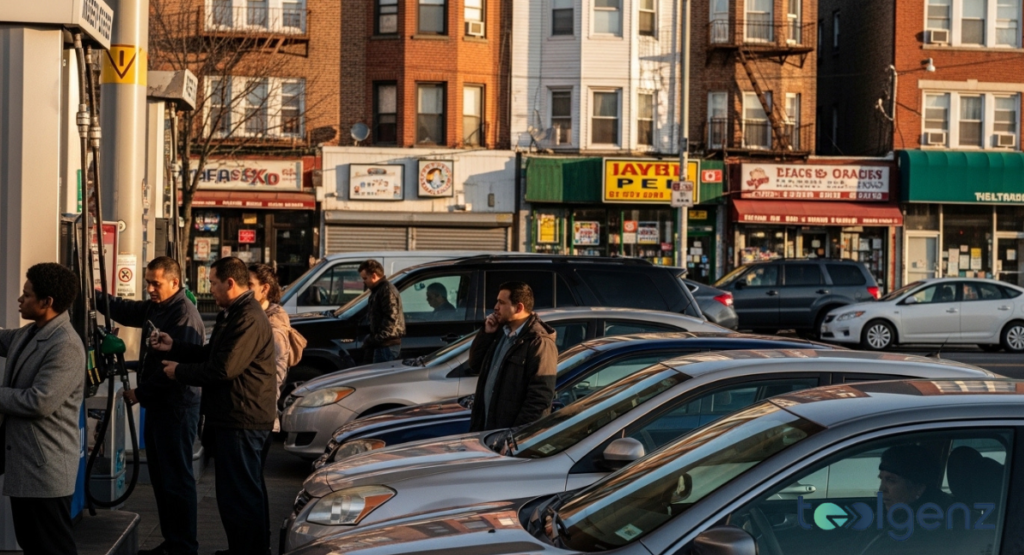
Households feel the impact first. Daily commuters are spending more on fuel as gas prices climb. Small businesses are affected too delivery companies face higher diesel costs, which are often passed on to consumers.
These increased transportation costs put pressure on local economies in both urban and rural areas, affecting everything from grocery bills to service prices.
Related Energy and Transportation Stories Affecting the Region
Gas prices are closely linked to other energy developments. Infrastructure repairs or refinery shutdowns can tighten supply, even temporarily, creating ripple effects in the market.
Shipping delays also impact supply chains. When crude oil transport slows, global trade tightens quickly, pushing fuel prices higher across the United States.
How Readers Can Submit Tips or Story Ideas About Rising Energy Costs

Local drivers often notice unusual price swings before official reports appear. Sharing updates with news outlets can help track sudden spikes linked to geopolitical tensions or supply shortages. Real-time tips allow reporters to follow changes in crude oil markets, track disruptions, and explain how global events affect everyday fuel costs.
Key Facts About Current U.S. Gas Prices
| Factor | Impact on Gas Prices |
|---|---|
| Iran conflict | Threatens oil transport routes |
| Strait of Hormuz shipping route | Handles about 20% of global oil |
| Summer fuel blend | Raises refining costs |
| Spring travel demand | Increases gasoline consumption |
| Global crude oil trade | Influences fuel markets worldwide |
Gas prices in the U.S. depend heavily on global stability and secure supply lines. Events happening thousands of miles away can now directly influence what drivers pay at the pump.
FAQS
How much is gas in NYC right now?
Gas in New York City averages about $3.33 per gallon for regular gasoline as of March 7, 2026, according to AAA fuel data.
Why are gas prices dropping?
Gas prices usually fall when crude oil costs decline, supply improves, or demand decreases, such as after busy travel seasons or when production ramps up.
Are gas prices up or down?
Prices are currently rising in many areas due to geopolitical tensions and supply chain disruptions affecting the global oil market.
Is gas going up because of the war?
Yes. The conflict involving Iran has disrupted oil flows and pushed crude prices higher, which in turn increases U.S. gas prices.
When did gas hit $1.00 a gallon?
Gasoline first averaged $1 per gallon in the U.S. around 1980, following oil crises and market instability in the late 1970s.