
University Overview
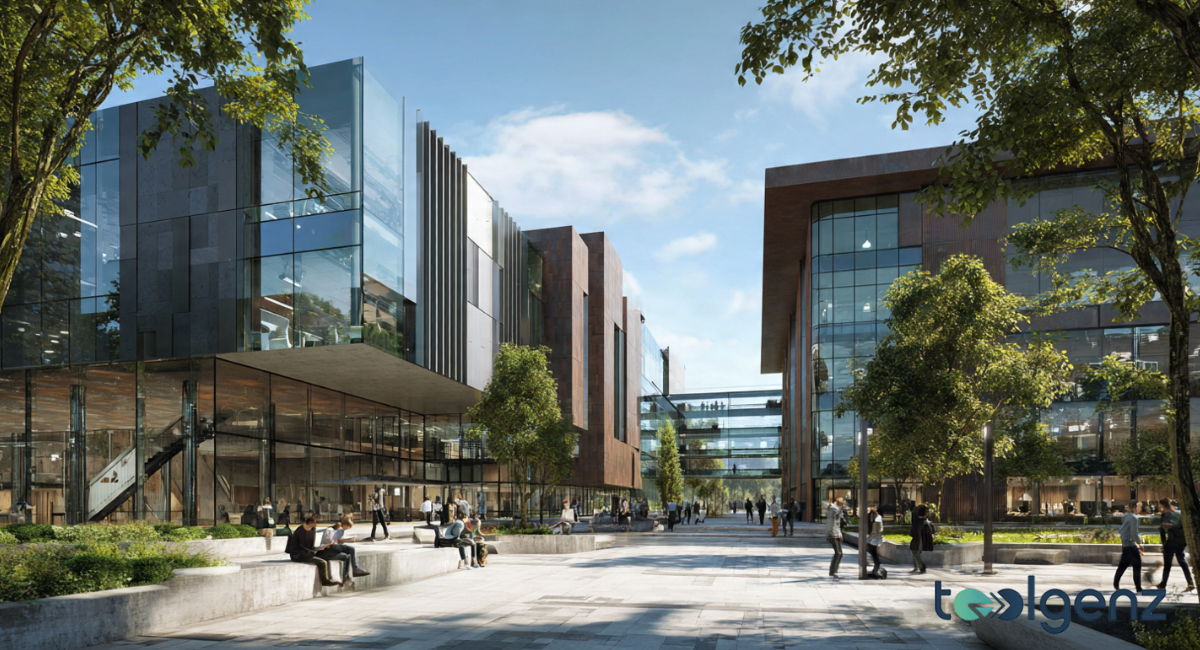
Georgian Technical University, widely known as GTU Tbilisi, is one of the leading institutions for engineering and technological education in Georgia. Established in 1922, Georgian Technical University has played a central role in developing skilled engineers, scientists, and industry professionals who contribute both locally and internationally.
For more than a century, Georgian Technical University has evolved alongside the country’s industrial and technological growth. The institution combines academic tradition with modern teaching methods, giving students access to research institutes, updated laboratories, and practical training environments.
Rather than focusing only on theory, the university emphasizes applied learning so students graduate with both knowledge and hands-on experience.
Accreditation and Recognition
Georgian Technical University holds national accreditation and aligns many of its academic standards with international frameworks. This ensures that degrees are recognized both within Georgia and abroad.
Because of this standing, Georgian Technical University maintains active cooperation with universities and research institutions across Europe and other regions.
Participation in exchange initiatives such as Erasmus+ and collaboration with global research centers allows students to gain broader exposure. Accreditation also provides reassurance to students who plan to continue their studies in the USA or Europe, as degree recognition is generally not a barrier.
This structured and recognized academic system strengthens the university’s credibility within the South Caucasus region.
Offered Programs and Courses

At Georgian Technical University, students can choose from a wide range of undergraduate, graduate, and doctoral programs across 12 faculties and 15 research institutes.
Fields of study include Civil Engineering, Power Engineering, Mining, Chemical Engineering, Mechanical Engineering, Architecture, Law, Business, and emerging technology disciplines.
Many programs at Georgian Technical University combine classroom instruction with laboratory work and field-based projects. Specialized modules, including winemaking and viticulture, food technologies, logistics, and information systems, allow students to pursue focused academic paths.
Certain programs also provide opportunities for dual diplomas through partnerships with European institutions. This structure ensures that students develop technical competence while gaining exposure to international academic standards.
Admission Requirements
Admission to Georgian Technical University is competitive and based on transparent criteria. Applicants are typically required to submit academic transcripts, proof of language proficiency, and relevant supporting documents. In some cases, entrance examinations or subject-specific assessments may be required.
The admissions committee places particular emphasis on mathematics, science, and analytical skills, especially for engineering programs. International applicants receive guidance regarding visa procedures, housing options, and integration into campus life.
The goal of the admissions process is to ensure that students entering the university are prepared for both academic rigor and practical training.
Campus Facilities and Resources

The campus of Georgian Technical University includes modern lecture halls, specialized laboratories, research centers, libraries, and collaborative learning spaces.
Students have access to facilities such as the Holographic Interferometry Laboratory, a bridge testing center for civil engineering practice, and a mini hydroelectric power station laboratory for energy studies.
These laboratories allow students to apply classroom theory to real technical scenarios. Equipped computer centers and updated research equipment support both coursework and independent projects. The campus environment encourages experimentation, teamwork, and innovation across disciplines.
A table showcasing key facilities:
| Facility | Purpose | Unique Feature |
|---|---|---|
| IT Laboratory in Georgia | 32 courses, 700 lab tests | Regional IT lab with expert training |
| Holographic Interferometry Lab | Oncology & nanoparticle research | Specialized research facility |
| Bridge Testing Center | Civil Engineering practice | Structural testing applications |
| Mini Hydroelectric Power Station | Energy research | Practical energy systems training |
Student Housing and Accommodation
Student life at Georgian Technical University extends beyond academics. On-campus dormitories provide furnished rooms, shared study areas, and communal facilities designed to support student comfort.
Off-campus apartments are also available near the university for those who prefer independent living. International students receive assistance in securing suitable housing options that match their budgets and preferences. Living near campus makes it easier for students to participate in academic activities, social events, and research projects.
The university community promotes cultural exchange, collaboration, and networking among students from diverse backgrounds.
Research and Innovation
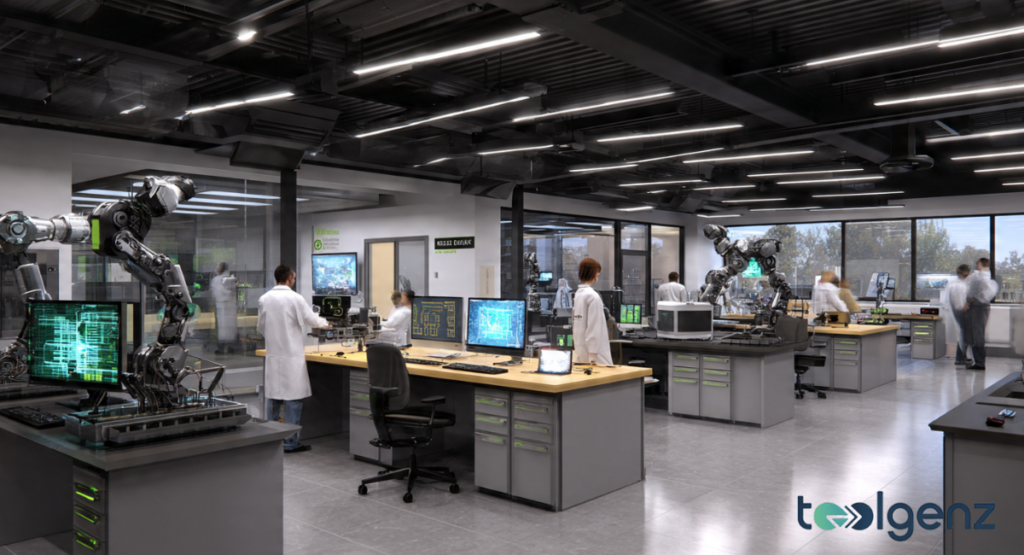
Research is a central pillar of Georgian Technical University. Faculty members and students collaborate on projects in engineering, physics, information technology, environmental studies, and applied sciences.
The university has participated in international research collaborations, including contributions to large-scale scientific experiments.
Through these initiatives, Georgian Technical University gives students the opportunity to engage in meaningful research rather than limiting their education to theoretical instruction.
Projects range from advanced materials studies and structural engineering analysis to applied energy systems and digital technologies. This research culture prepares graduates for professional careers as well as postgraduate study.
Advantages of Studying at Georgian Technical University
One of the key strengths of Georgian Technical University is its balance between academic instruction and applied training. Students are encouraged to participate in competitions, research projects, and innovation-focused initiatives that strengthen their technical and analytical abilities.
Graduates of Georgian Technical University report strong employment outcomes in engineering, business, and technology-related sectors. Many find work directly related to their field of study, while others continue into advanced research or international programs. The institution’s focus on skill development, collaboration, and industry relevance supports long-term career preparation.
Contact Information

Prospective students can contact Georgian Technical University at Tbilisi, Kostava Str. N77, by calling (+995 032) 2 77 11 11, or by emailing info@gtu.ge
or contact@gtu.ge.
The official website, www.gtu.ge, provides updated information about programs, admission requirements, research activities, and student services. The university also offers online consultations and digital resources for applicants who are unable to visit campus in person.
International Collaboration Programs
International partnerships remain an important part of Georgian Technical University.
Through exchange agreements, dual-degree arrangements, and participation in European programs such as Erasmus+, students can study abroad for a semester or collaborate with international research teams while completing their degrees in Georgia.
Laboratory and Research Highlights
The laboratories at Georgian Technical University support both teaching and advanced research.
Facilities dedicated to information technology, structural engineering, and applied physics allow students to work with specialized equipment and real datasets. These environments encourage critical thinking and technical precision.
Student Life and Extracurricular Activities
Clubs and student organizations at Georgian Technical University encourage participation beyond academics.
Students can join technical societies, innovation groups, cultural clubs, and academic competitions. Such involvement helps develop leadership skills, teamwork, and professional confidence.
FAQS
Where is Georgian Technical University?
Georgian Technical University is located in Tbilisi, Georgia, on Kostava Street N77.
Is GTU a government university?
Yes, Georgian Technical University is a public (government) university funded and regulated under national education laws.
Is Georgia a cheap country to study?
Georgia generally offers affordable tuition fees and living expenses compared to many countries in Europe or North America.
What is Georgian Technical University ranked in QS?
The university is not currently listed among the top global institutions in the QS World University Rankings but maintains a recognized regional academic presence.
How much is tuition at Georgian Tech?
Tuition typically ranges from $2,000 to $5,000 per year, depending on the program and level of study.