
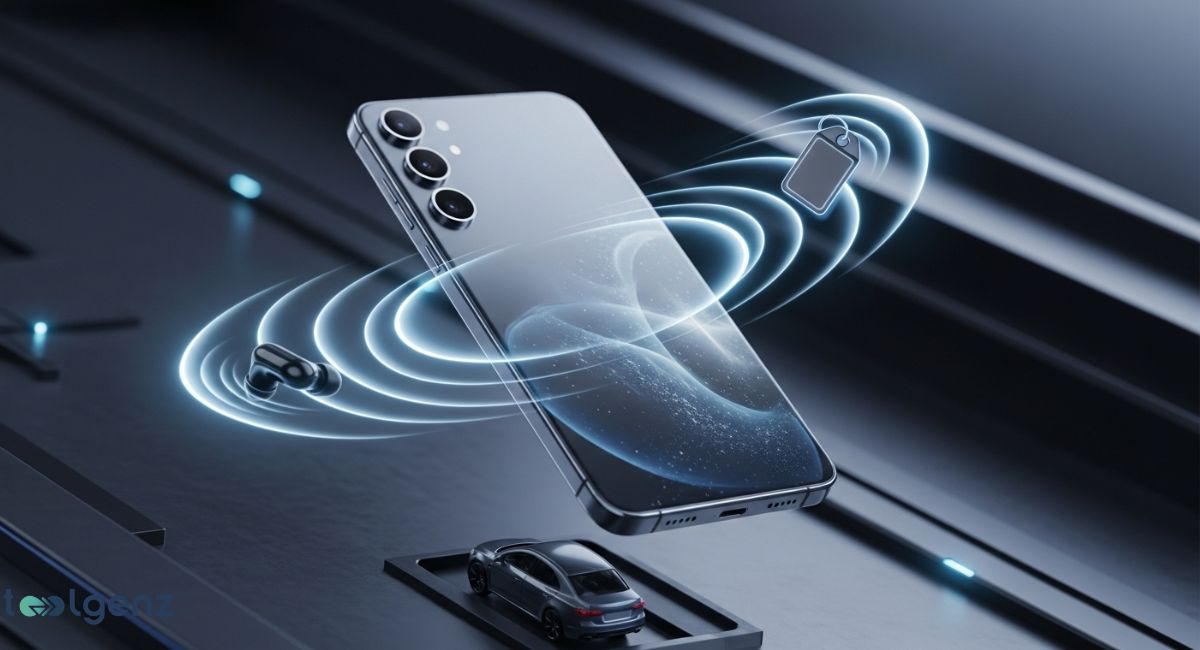
Among Samsung’s 2025 lineup, the Samsung Galaxy S24 series has been a major highlight, and the FE model is no exception, not just for its premium design and power-packed features, but also for the growing curiosity around Ultra-wideband support.
As more users explore UWB-enabled smartphones, questions are rising about what this high-frequency wireless tech really means for everyday use.
From faster data transfers to pinpoint location tracking, UWB could be a game-changer.
But does the Samsung Galaxy S24 FE have UWB? And if not, how does it stack up against other Samsung flagship devices like the Galaxy S24 Ultra or Galaxy S24+?
This article breaks it all down in simple terms so you can understand what UWB really means for your next phone.
Whether you’re focused on compatibility with smart home systems, enhanced spatial awareness, or secure digital car keys, understanding UWB technology will help you see where the Galaxy S24 FE fits in the future of connected devices. Let’s explore everything you need to know.
Why Don’t More Phones Have UWB, and What Exactly Does It Do?
So, why don’t more phones have UWB built in? It’s mostly because UWB is still new and costs more to add. UWB chip integration takes up space and needs special hardware. That’s why many cheaper phones skip it.
For Samsung Galaxy S24 users, UWB offers even more advanced options when paired with SmartTags and smart locks, sharing files quickly, and connecting with smart home devices.
Think of UWB as a precision tool that helps your phone locate and interact with nearby devices far more accurately than Bluetooth.
As UWB technology becomes more affordable and refined, we may soon see it in a wider range of mid-tier smartphones.
Its potential to enhance connectivity and precision could make it a must-have feature in the next wave of mobile innovation.
Which Samsung Phones Have UWB Support?
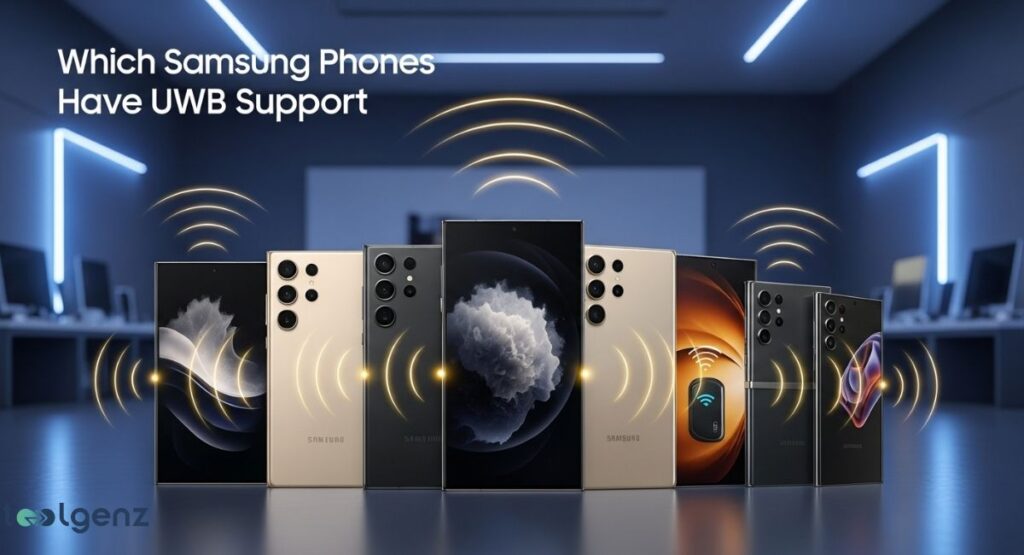
The Samsung Galaxy S24 family, including the S24+ and S24 Ultra, continues this support trend.
The first was the Galaxy Note 20 Ultra, then came the Samsung Galaxy S24 Ultra, Samsung Galaxy S24+, and older models like the Galaxy S21+ and S21 Ultra. Some Fold and Flip models have it too.
Samsung appears to be prioritizing UWB in its premium lineup, gradually expanding its presence across foldables and high-end flagships.
As consumer demand grows and UWB-based features become more mainstream, we can expect broader adoption in upcoming models.
Here is a quick table showing UWB-enabled smartphones by Samsung:
| Samsung Model | UWB Support |
| Galaxy Note 20 Ultra | Yes |
| Galaxy S21+ / Ultra | Yes |
| Galaxy S22+ / Ultra | Yes |
| Galaxy S23+ / Ultra | Yes |
| Samsung Galaxy S24+ / Ultra | Yes |
| Galaxy Z Fold3 / Fold4 | Yes |
| Z Flip Series | No (See why below) |
If you’re exploring how the Samsung Galaxy S24 compares to other cutting-edge devices, you might also enjoy this in-depth look at the Ultra-Wideband technology ultimate 2025 guide.
Does the Samsung Galaxy S24 FE Have UWB?
The Galaxy S24 FE doesn’t include UWB, a trade-off Samsung likely made to keep the phone affordable—just as with the S23 FE. This is similar to what they did with the S23 FE.
Even though the Samsung Galaxy S24 FE specifications are strong for the price, it does not include UWB chip integration. This means you can’t use it for SmartTag 2 compatibility or features like UWB audio technology and smart locks.
For users who rely on precise location tracking or seamless smart device interactions, the lack of UWB may be a dealbreaker. It’s a reminder that the FE series still makes some trade-offs to remain budget-friendly.
Should UWB Support Influence Your Smartphone Buying Decision?
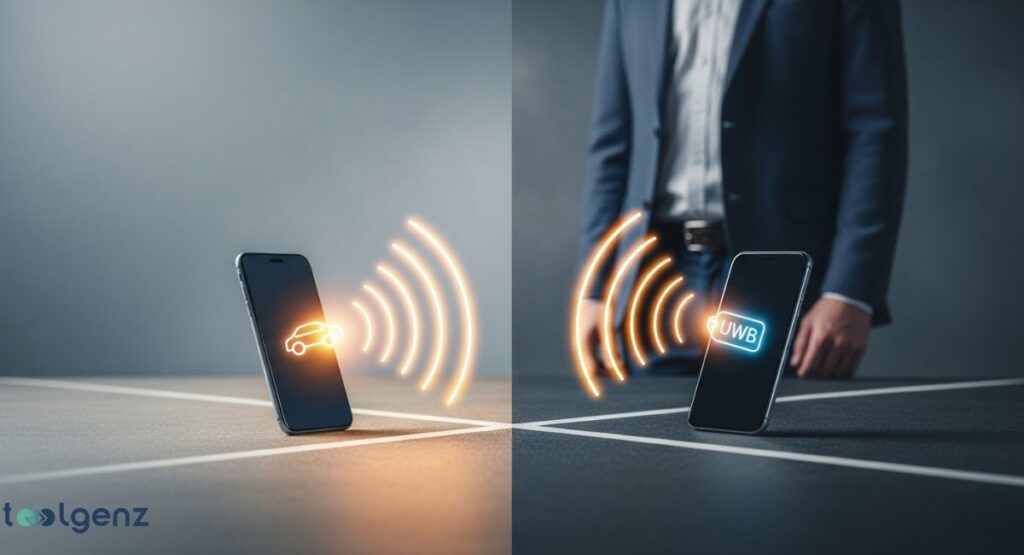
Whether UWB matters depends on how you use your phone—if you rely on smart tags or digital car keys, it’s valuable; otherwise, most users won’t miss it.
Samsung Galaxy S24 users who rely on SmartTag+, smart locks, or digital car keys will find UWB especially valuable.
When evaluating whether the Samsung Galaxy S24 is the right choice for your lifestyle.
It helps to review external perspectives like this Samsung Ultra-Wideband overview from Android Authority, which breaks down practical use cases for everyday users.
If you only care about camera, screen, and gaming, then no. For most people, is UWB worth having in smartphones? Only if you want the latest tracking or smart home devices with UWB features.
Ultimately, it comes down to your lifestyle and tech habits. UWB is a powerful tool, but not a must-have for everyone—at least, not yet.
Samsung’s Roadmap: Will the Brand Expand UWB Across More Devices?
Samsung has shown interest in expanding UWB, but for now, it seems to be reserved for its premium models. However, it looks like they’ll keep it for Samsung flagship devices only for now.
The Galaxy Z Flip 6 lacks UWB support, even though it’s new. This tells us that Samsung is limiting UWB to higher-end phones with bigger bodies and more power.
That said, as UWB use cases grow and production costs fall, Samsung may revisit its strategy. Over time, we could see mid-range devices like the FE series gaining UWB support—especially if consumer demand increases.
Inside the Samsung UWB Audio Patent: A Glimpse at Future Use Cases
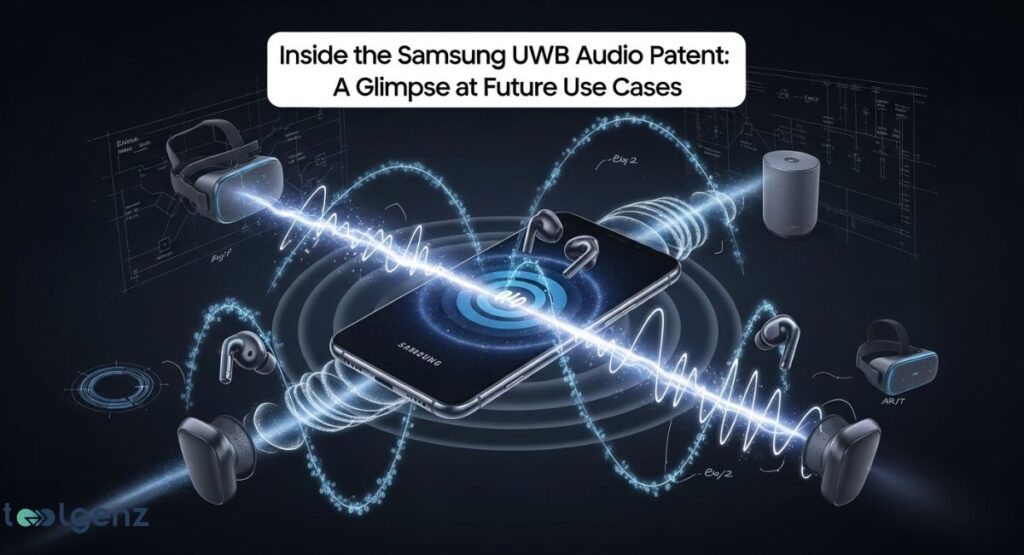
Samsung is working on something exciting. They filed a patent for UWB audio technology. This means you could one day stream audio wirelessly with almost no lag.
This is big because how UWB improves smart tag performance can also be used for headphones and speakers. It could beat Bluetooth in both sound quality and speed.
If this becomes reality, Samsung might lead a shift in how wireless audio works. It could open doors to high-fidelity, low-latency sound across earbuds, smart TVs, and home audio systems—all powered by UWB.
Audio Data Rates Compared: UWB vs Bluetooth
Let’s compare Bluetooth vs ultra-wideband for sound. Bluetooth is good, but UWB can send more data faster. That means better quality and no delay.
| Feature | Bluetooth | Ultra-Wideband |
| Range | Up to 10m | 5-10m |
| Delay | Higher | Very Low |
| Sound Quality | Good | Very High |
| Battery Use | Low | Low-Medium |
So, what makes UWB better than Bluetooth LE? Faster data, better sound, and more precise location tracking.
The Broader Ecosystem: Devices and Brands That Leverage UWB Today
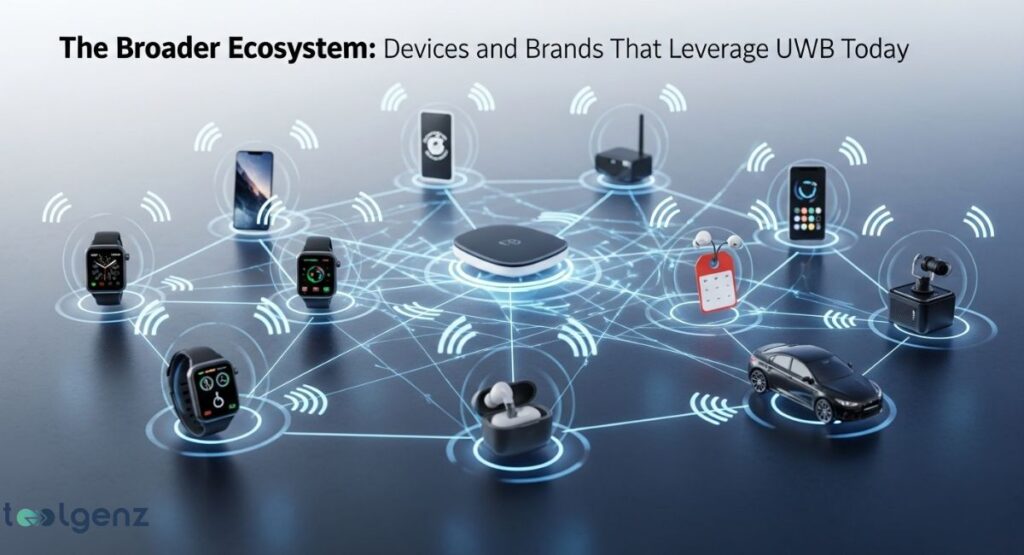
Which devices use UWB for tracking? Right now, UWB is used in smart tags, car keys, and smart home tools. BMW digital key is a great example. You can unlock your car just by walking up to it.
Other brands like Apple use it too. iPhone UWB compatibility means iPhones can track AirTags. Google is in the game as well with Pixel 8 Pro UWB.
As UWB adoption grows, we can expect more devices—like drones, security systems, and AR wearables—to take advantage of its precise location capabilities. The future of tracking is becoming more accurate and efficient with UWB.
Final Thoughts: The Future of UWB in Mobile Technology
To wrap up, is UWB important for phone buyers today? Maybe not for everyone. But in the future, it could become a must-have.
When did Samsung start using UWB? It was back in 2020 with the Note 20 Ultra. Since then, UWB has grown slowly. The UWB data transfer tech still needs more time and support to go mainstream.
For now, why is UWB limited to premium models? Because it costs more and needs more space. But as UWB becomes cheaper, we may see it in more devices.
Does UWB drain battery? Not really. It’s low-energy like Bluetooth. But if you use it all day, it may use more power.
What is the range of UWB compared to Bluetooth? UWB is shorter in distance but much more accurate. That’s why it’s perfect for indoor tracking and secure actions like car unlocking.
If you’re considering the Samsung Galaxy S24 FE, keep in mind it doesn’t include UWB—but the rest of the Samsung Galaxy S24 lineup does—but it still delivers strong features for the price point. UWB is the future, but it’s not a deal-breaker just yet.
As the ecosystem around UWB continues to grow, support from app developers and smart device makers will determine how essential it becomes.
Keeping an eye on future updates and hardware releases will help users decide if UWB matters for their daily use.
FAQs
What is UWB on a Samsung phone?
UWB (Ultra-Wideband) is a short-range wireless technology used for precise location tracking and fast, secure data sharing.
Should I enable UWB on my phone?
Yes, if your device supports it—UWB enhances smart tag accuracy, quick file sharing, and digital car key functionality.
How to enable UWB on Samsung?
Go to Settings > Connections > More Connection Settings > Ultra-Wideband, then toggle it on.
What does UWB actually do?
It helps your phone detect and connect with nearby devices with pinpoint accuracy, powering features like precise tracking, smart locks, and secure car unlocking.
What is the point of UWB?
The main purpose of UWB is precise location awareness, enabling faster, smarter connectivity between your phone and nearby devices.