

In today’s digital world, security intelligence is more than just a buzzword—it’s a core part of any modern cybersecurity strategy. It helps organizations detect threats early, understand risks, and stay ahead of attacks.
As ransomware and phishing attacks increase, businesses need to prioritize real-time data analysis, quick threat detection, and efficient incident response to keep sensitive data safe.
By using tools like Security Information and Event Management (SIEM) and integrating threat intelligence feeds, companies can make faster, smarter decisions.
This guide will explain what security intelligence is, how to implement it, and why it’s critical for protecting your organization in 2025 and beyond.
Threat intelligence empowers teams to make informed decisions, minimize their attack surface, and stay compliant with evolving regulations. With the right strategy, it becomes a key driver of trust, safety, and operational success in a digital-first world.
1. What Is Security Intelligence?
Security intelligence is the process of collecting, analyzing, and using data to protect against cyber threats.
It helps organizations understand possible risks before they become attacks. It also allows security teams to act faster when threats happen.
With smarter insights, companies can protect their networks, data, and people more effectively. Cyber intelligence combines tools, skilled teams, and processes to identify and neutralize cyber threats.
By analyzing security logs, it transforms raw data into actionable insights, enabling companies to spot patterns, detect risks early, and prevent damage. It’s a key part of building a strong cybersecurity posture in today’s world.
As threats become more advanced, security intelligence provides the clarity needed to make quick and confident decisions.
It also supports better risk management and ensures stronger compliance with industry regulations.
2. Key Principles and Elements of Security Intelligence
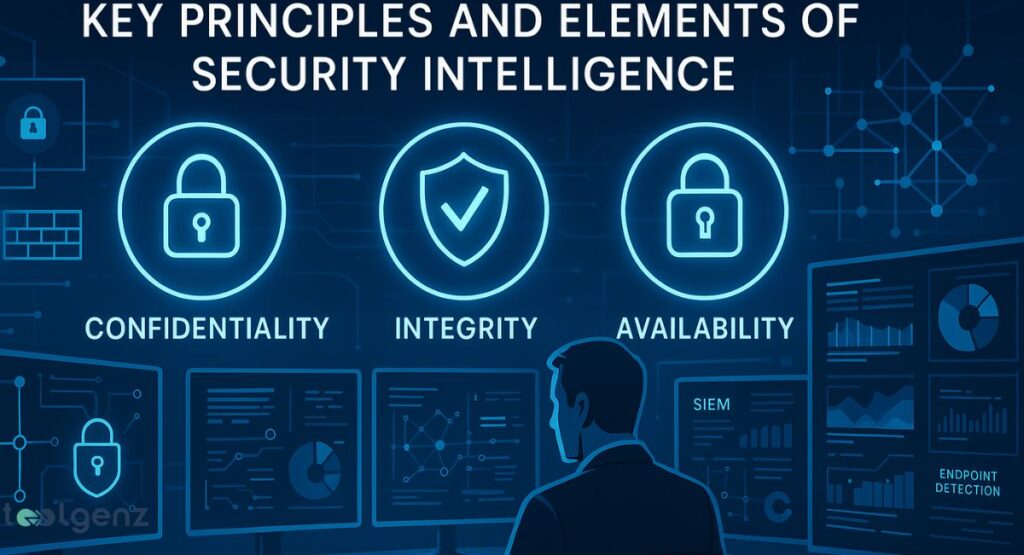
At the heart of security intelligence are some key ideas. One of the most important is the CIA triad: Confidentiality, Integrity, and Availability. These three pillars make sure that data is safe, correct, and available only to those who need it.
The process includes real-time data analysis, tracking Indicators of Compromise (IoC), and understanding Tactics, Techniques, and Procedures (TTP) used by attackers.
Security information and event management (SIEM) tools are also a big part of this system. They help in log data correlation and provide a full picture of what is happening inside the network.
Other core elements include network security monitoring, endpoint detection and response (EDR), and strong role-based access control (RBAC) systems.
These principles work together to create a proactive approach to cybersecurity. They give organizations the tools to respond faster, reduce the attack surface, and build a more secure digital environment.
3. Security Intelligence Acronyms You Must Know: CIA, CIO, APT, IoC & TTP
A few key acronyms are essential to understanding how security intelligence works. These include:
| Acronym | Meaning |
| CIA | Confidentiality, Integrity, Availability |
| CIO | Chief Information Officer |
| APT | Advanced Persistent Threats |
| IoC | Indicators of Compromise |
| TTP | Tactics, Techniques, and Procedures |
Each of these plays a role in threat defense. For example, How do APTs work? APTs are cyberattacks that stay hidden in systems for a long time. They aim to steal sensitive information. To catch them, you must look for signs, or IoCs, and study their TTPs.
4. How to Implement Security Intelligence in Your Organization
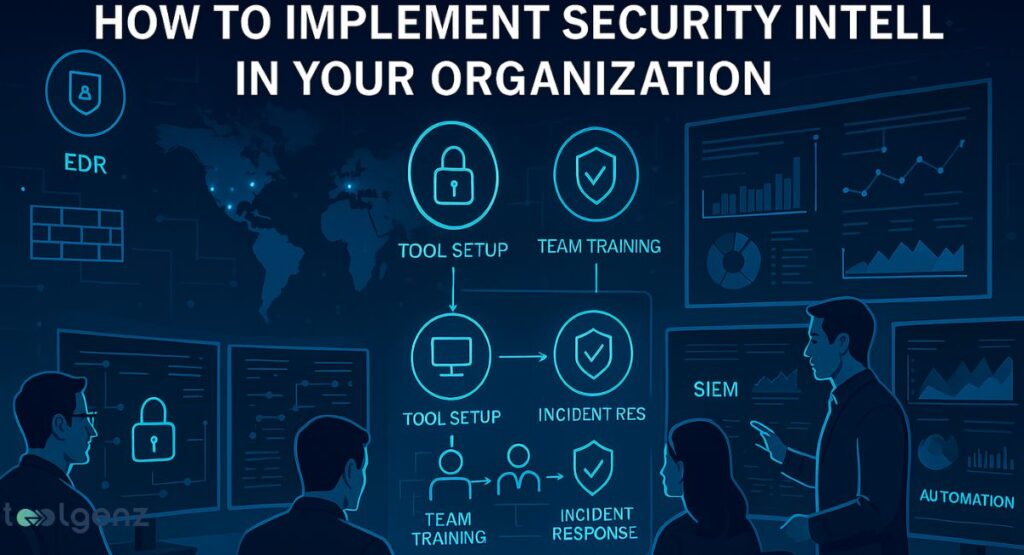
To start using security intelligence, you need a plan. First, choose the right tools like SIEM, EDR, and security intelligence platforms. These tools help collect data and monitor systems in real time.
The second step is training your team. People are just as important as machines in cybersecurity.
Implementing security intelligence starts with setting up incident response systems, integrating threat intelligence feeds, and establishing a regular review process.
You should also focus on vulnerability management and use proactive security measures to reduce risks before they happen.
Clear communication between teams is also important to act quickly on any threat. Over time, using automated compliance reporting and following regulatory standards like HIPAA or PCI DSS will strengthen your overall security setup.
5. Best Practices for Effective Security Intelligence
To get the most out of security intelligence, follow these proven best practices. Keep your tools updated.
Automate tasks when you can. Review alerts regularly and act fast.
It’s also smart to combine human knowledge with machine learning in cybersecurity to detect threats faster, and leveraging AI in cybersecurity can make detection and response even more effective.
A big part of success is making sure your systems work together. Use tools that support automated compliance reporting, attack surface reduction, and real-time tracking.
These steps make your system stronger and help you avoid threats before they cause harm.
Don’t forget to create a routine for testing and improving your system. As threats change, your strategy must evolve too. Strong documentation and team coordination also make a big difference.
6. Benefits of Security Intelligence for Businesses
Security intelligence offers a wide range of advantages for businesses. It helps detect attacks early, save money, and avoid legal problems.
It also protects your brand’s name and keeps your customers’ trust. With smarter security, businesses can stay ahead of threats.
Security intelligence for compliance also helps with laws like HIPAA, PCI DSS, and ISO 27001, as outlined by the Cybersecurity and Infrastructure Security Agency.
It gives you better control over data, ensures regulatory standards are met, and supports your secure development lifecycle (SDLC).
These benefits lead to stronger business operations and more reliable digital environments. As cyber risks grow, having a solid security intelligence plan becomes a key part of long-term success.
7. How Security Intelligence Supports Organizational Growth
Smart companies know that security intelligence does more than just protect data. It helps the business grow. By reducing risks, companies can try new technologies safely.
They can build better products faster and attract more customers who trust them.
Its importance becomes clear when you see how it fuels business growth. It enables safer cloud use, helps in scaling operations, and allows teams to focus on innovation. All of this creates a better future for the business.
With the right strategy, companies not only avoid threats but also unlock new opportunities. Security becomes a growth driver, not just a defense mechanism.
8. Complementing Security Intelligence with Other Cybersecurity Tools
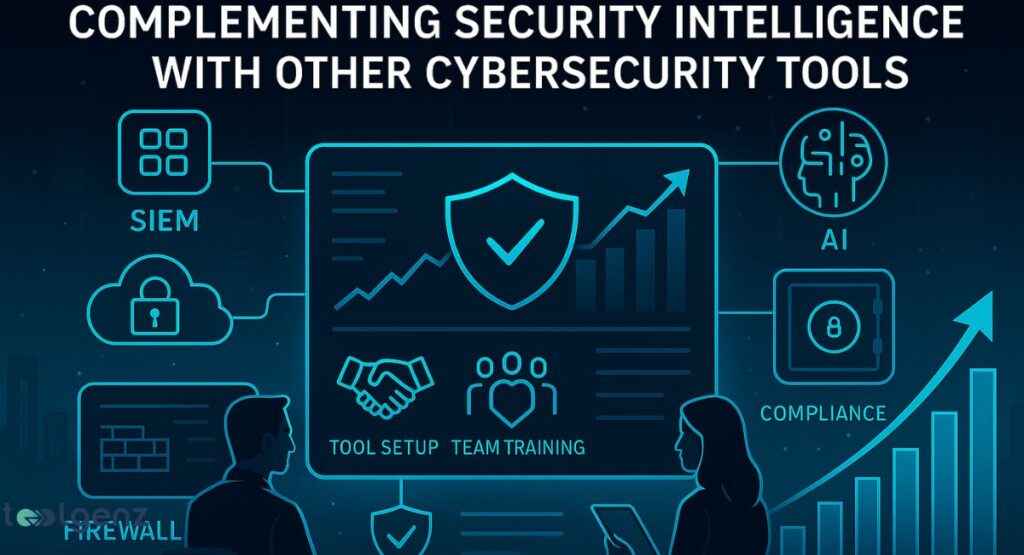
To get the most out of security intelligence, you need to use it with other tools. These include SIEM, EDR, firewalls, and compliance automation tools. Together, these tools provide better threat detection and response.
Effective security monitoring requires platforms that can analyze both real-time and historical logs, offer automated compliance reporting, and handle alerts without human delay.
Using all these together gives full control over security operations.
This setup helps reduce noise, spot real threats faster, and improve your overall cybersecurity posture. It also ensures your team can act quickly and stay focused on high-risk issues instead of wasting time on false alarms.
9. Challenges and Limitations of Security Intelligence
No security system is flawless, and even the most advanced setups face challenges. One big challenge is alert fatigue.
This happens when too many alerts make it hard to spot real threats. Another issue is the lack of trained people. The cybersecurity skills gap is growing in the U.S. and worldwide.
Some companies also struggle with costs and complex tools. Balancing budget with performance can be tough. But with the right risk mitigation strategies, these challenges can be managed. Regular reviews and smart planning help overcome most barriers.
It’s also important to use security intelligence platforms that are easy to manage and scale. With better integration and automation, companies can improve efficiency and reduce the impact of these issues.
10. Future of Security Intelligence in Emerging Fields like Healthtech
Healthtech is one area where security intelligence is critical. With sensitive patient data and life-saving devices online, strong protection is a must.
Tools that use machine learning to detect cyber threats are now used in hospitals and clinics.
Security intelligence plays a crucial role in safeguarding data privacy. It keeps health records safe and supports laws like HIPAA.
In the future, cyber intelligence will continue to grow in fields like finance, education, and smart cities, bringing better safety and trust.
As digital transformation speeds up across sectors, the need for intelligent, proactive defense will only rise. Investing in adaptive security strategies now ensures resilience against the evolving threat landscape tomorrow.
Final Thoughts: Why Security Intelligence Matters in 2025
To sum up, security intelligence is not just a buzzword. It’s a vital part of modern business success. It helps protect your company, your customers, and your future.
With proactive security measures and the right tools, any organization can reduce threats and stay strong in a digital world.
In 2025, the companies that invest in threat intelligence will be the ones that lead the market. Now is the time to act. Stay informed. Stay secure.
As cyber risks grow more advanced, adopting cyber intelligence isn’t just wise—it’s essential. Organizations that prioritize it today will be better equipped to adapt, scale, and thrive tomorrow.
FAQs
1. What is security intelligence?
Security intelligence is the process of collecting, analyzing, and using data to detect, prevent, and respond to cybersecurity threats.
2. What are the four types of security intelligence?
The four types are strategic, tactical, technical, and operational intelligence—each serving different roles in defending against cyber threats.
3. What is the role of intelligence in security?
It helps organizations anticipate, identify, and mitigate threats before they cause harm, ensuring informed and proactive defense.
4. How much does security intelligence make?
In the U.S., security intelligence analysts typically earn between $85,000 and $130,000 per year, depending on experience and location.
5. What is the primary goal of security intelligence?
To provide actionable insights that help organizations detect and respond to threats effectively, minimizing risk and damage.