
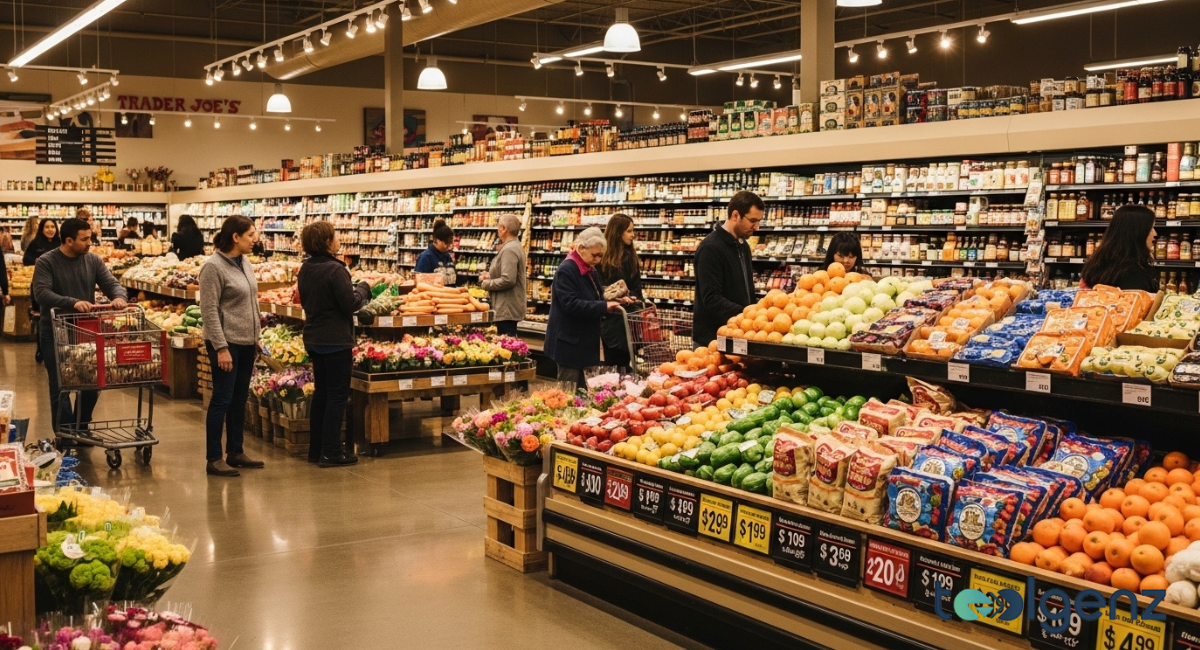
Trader Joe’s has become a favorite shopping destination for millions across the United States. Its charm lies in the unique combination of affordable pricing, high-quality items, and a friendly, neighborhood vibe. From its headquarters in Monrovia, California, the chain continues to grow, offering a mix of private-label grocery products that often cost less than well-known national brands.
Unlike large, impersonal supermarkets, Trader Joe’s stores are smaller, thoughtfully curated, and designed to make shopping simple, fun, and even a little adventurous. From budget-friendly wines to international frozen meals, the store creates an experience that keeps customers returning week after week.
History of Trader Joe’s
The story of Trader Joe’s begins with Joe Coulombe, who opened the first store in Pasadena in 1967. Before that, he ran a string of convenience stores and noticed a gap in the market: educated shoppers wanted affordable, global-inspired foods. Coulombe’s vision shaped the original concept of Trader Joe’s as a neighborhood grocery store with a distinct personality.
In 1979, Aldi Nord, under the leadership of Theo Albrecht, acquired the store, giving the company resources to expand without losing its unique identity. The brand continued to focus on private-label products, a strategy that boosted sales per square foot and made the store stand out among U.S. grocery chains.
Today, hundreds of stores operate nationwide, blending convenience, creativity, and affordability.
Locations and Store Experience
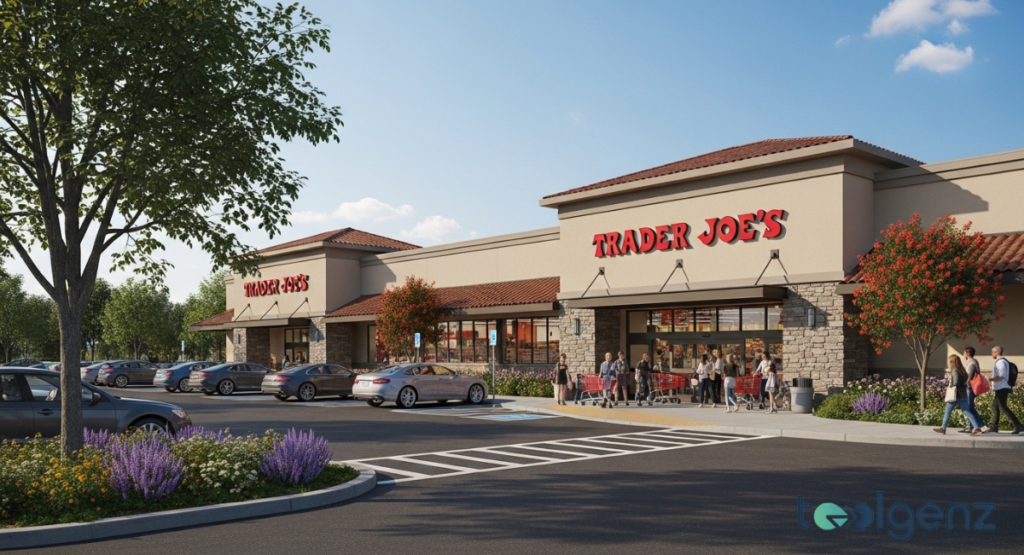
You can find Trader Joe’s in over 40 states, with high concentrations in California, New York, and Massachusetts. Cities like Pasadena, Boston, Manhattan, Cambridge, and Brookline host popular stores that attract loyal shoppers. The chain often targets urban neighborhoods with well-educated households and higher incomes.
Inside a store, the experience is noticeably different from traditional supermarkets. Stores are smaller, aisles are easy to navigate, and shelves are curated rather than crowded. Staff in Hawaiian shirts greet customers warmly, creating a relaxed, neighborhood feel.
Limiting the number of products to around 4,000 keeps shopping straightforward and enjoyable, letting customers focus on quality over quantity.
Is Actually Cheaper? (Price Comparison Analysis)
Many shoppers wonder whether Trader Joe’s truly offers lower prices. Compared with Walmart, Kroger, and Whole Foods, pricing often falls somewhere in the middle. Everyday essentials like bananas, milk, and eggs are usually cheaper than at premium organic stores, while specialty items can sometimes cost more.
The savings largely come from the store private-label grocery products, which cut out middlemen and keep costs low. Here’s a quick comparison:
| Category | Trader Joe’s | Whole Foods | Walmart |
|---|---|---|---|
| Produce | Low to Mid | High | Low |
| Dairy | Low | High | Low |
| Frozen Meals | Low | Mid | Mid |
| Snacks | Low | Mid | Low |
| Wine | Very Low | Mid | Low |
Products like Trader Joe’s famous “Two Buck Chuck” wine (officially Charles Shaw) remain legendary for their value. While fresh meat selections are limited, the store consistently offers excellent prices on snacks, frozen meals, and unique international foods.
Most Popular Trader Joe’s Products Worth Buying
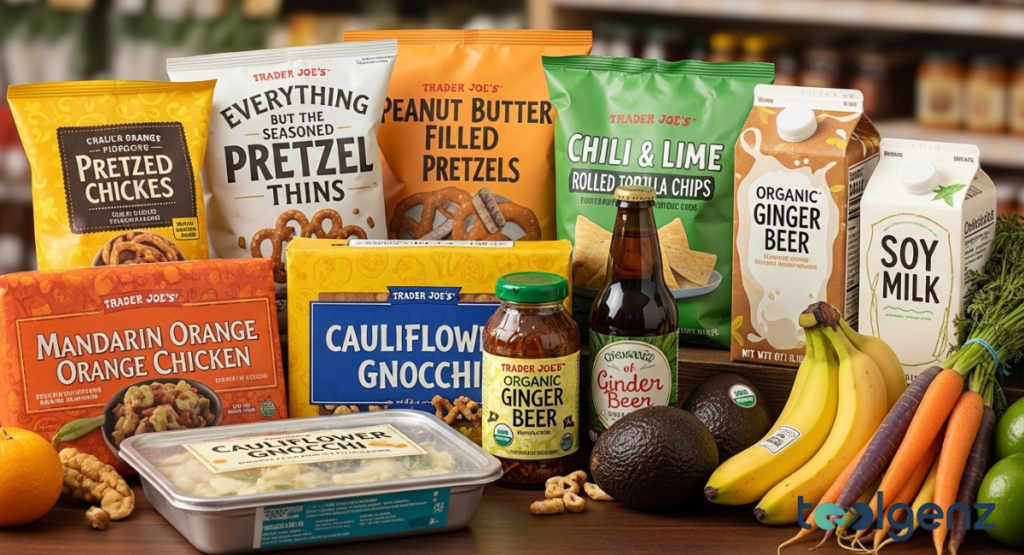
Every year, shoppers vote on their favorite Trader Joe’s items. Some top picks include Hold the Cone Mini Ice Cream Cones, Butter Chicken entrées, Sparkling Honeycrisp Apple Juice, and global-inspired products like Frozen Lamb Vindaloo.
Private-label brands, such as Trader José, Trader Ming’s, and Trader Giotto, make up around 80% of inventory, offering bold flavors at modest prices. Seasonal launches spark excitement, and discontinuing a favorite often generates strong reactions online—proof that the store knows how to keep its customers engaged.
Product Spotlight: Why Shoppers Love Tandoori Naan
One standout item is Trader Joe’s Tandoori Naan. Soft on the inside with a crisp exterior, it’s often compared to restaurant-quality naan. Its affordability and versatility make it a shopper favoriteyou can use it for flatbread pizzas, curry dips, or simply warm it as a side.
This product highlights how balances taste, price, and convenience in everyday meals.
Sustainability and Ethical Sourcing Practices
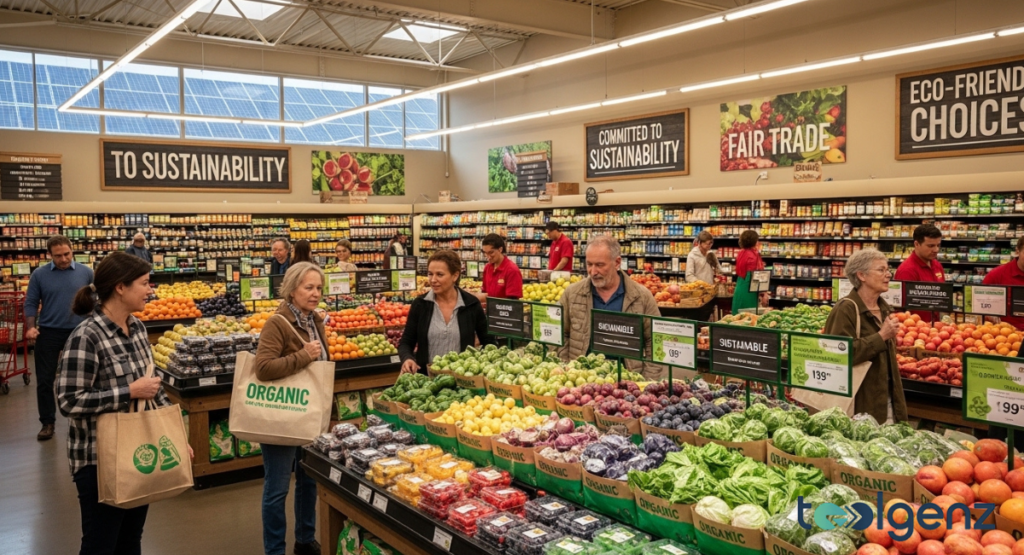
Environmental responsibility plays a key role at. The company has worked to reduce single-use plastics, improve packaging, and implement compostable materials. Public pressure, including petitions from Greenpeace, encouraged these changes, and an Environmental Protection Agency settlement further strengthened compliance with refrigerant standards.
Food waste reduction is another focus. Through programs like Neighborhood Shares, the store donates millions of pounds of food to local community groups. The company also supports sustainable seafood practices, including initiatives to protect Bering Sea Canyons.
While critics call for greater transparency, demonstrates steady progress toward responsible sourcing.
Animal Welfare Standards
Animal welfare is a priority at Trader Joe’s. The company adopted a nationwide cage-free egg policy and improved labeling after legal scrutiny and advocacy from organizations like the Animal Legal Defense Fund.
Controversies, including accusations of abuse at a poultry supplier, prompted stricter audits and humane sourcing guidelines. Though some activists remain critical, the store maintains that all vendors must meet ethical benchmarks.
Ratings, Customer Reviews & Brand Reputation
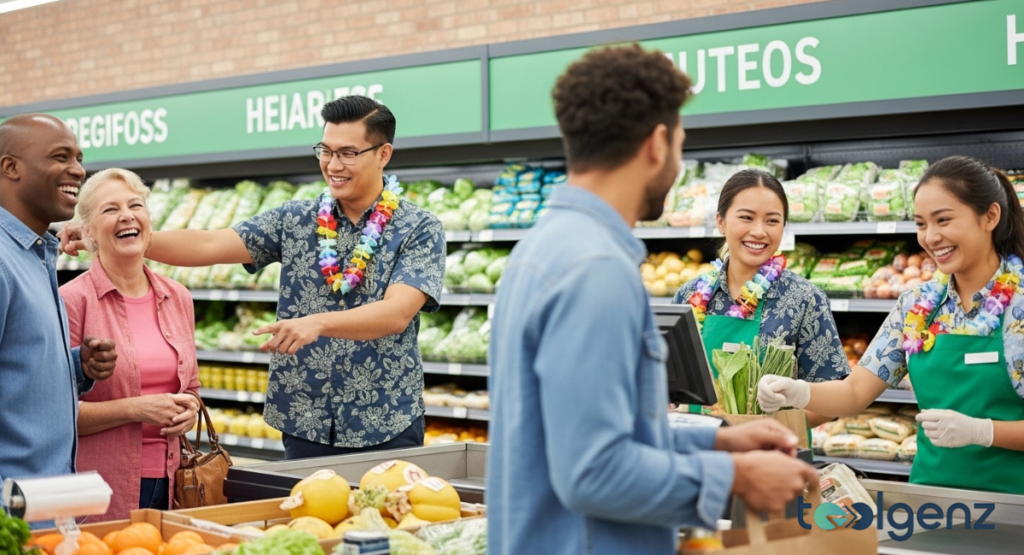
Trader Joe’s enjoys a strong reputation among shoppers and employees alike. Consumer Reports often ranks it near the top of supermarkets, while Glassdoor highlights its workplace culture.
Pop culture has also embraced the brand: the iconic Trader Joe’s tote bag became a collectible, and media references—from movies to music—helped cement its cultural presence.
Labor Relations and Company Culture
Employee relations have occasionally made headlines. Some Trader Joe’s stores have pursued unionization, drawing attention to labor practices and National Labor Relations Board decisions. Benefits like healthcare and retirement contributions have evolved, but the company is praised for fostering a friendly, supportive work environment.
These discussions continue to shape public perception of Trader Joe’s commitment to employees.
Final Verdict: Is Trader Joe’s Worth Shopping At?
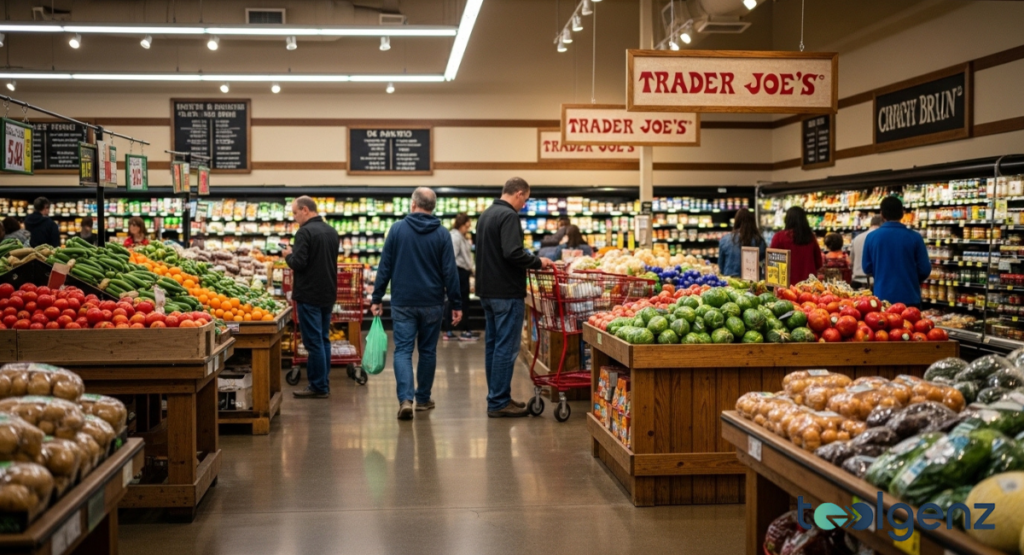
For many shoppers, the answer is yes. Trader Joe’s offers a mix of affordability, unique flavors, and curated inventory that simplifies shopping. While limited selections and sourcing transparency remain concerns, its private-label products, community contributions, and cult favorites make it a destination worth visiting.
If you enjoy exploring creative foods and finding great value, Trader Joe’s deserves a spot on your weekly shopping list.
FAQs
What is Trader Joe’s known for?
Trader Joe’s is known for affordable private-label products, unique global flavors, and fan favorites like Two Buck Chuck wine and frozen meals.
Are Trader Joe’s and Aldi owned by the same company?
Yes, Trader Joe’s is owned by Aldi Nord, while Aldi stores in the U.S. are run by Aldi Süd, so they operate under different branches of the Albrecht family.
Why are some people boycotting Trader Joe’s?
Some shoppers have boycotted Trader Joe’s over labor disputes, supplier animal welfare concerns, and past product controversies.
What is the #1 grocery store in the US?
Rankings vary, but Trader Joe’s and Wegmans frequently top lists for customer satisfaction.
What is Trader Joe’s most sold item?
Bananas are widely reported as Trader Joe’s top-selling item, consistently affordable and popular among shoppers.