

Basic Canada is navigating a challenging period as food prices continue to rise, making everyday groceries harder for families to afford. Across provinces, rising grocery costs are stretching household budgets and sparking debates about the role of government in the marketplace.
Toronto City Council’s proposal to create government-run grocery stores has drawn attention as a potential solution to lower costs. Critics, however, caution that this approach could disrupt retail competition. Observers in the U.S. watching developments in basic Canada can see how policy decisions, economic pressures, and consumer behavior intersect, affecting prices, social equity, and overall economic stability.
Introduction: Rising Food Costs and Policy Debates in Canada
Food inflation in Canada has been steadily climbing, making staples like bacon, milk, and bread noticeably more expensive. Prices often vary regionally—for example, a 500-gram package of bacon cost $6.52 in Ontario but $8.10 in British Columbia in early 2026, according to Statistics Canada. These differences highlight how local policies and market dynamics shape consumer costs across the country.
Policy discussions often center on whether government intervention can effectively reduce prices. Toronto’s plan for municipal grocery stores is one example of exploring this path. While the goal is to help families, critics like economist Jason Furman argue that price spikes are more influenced by structural issues—such as energy costs, wages, and imports than by greed.
The Concept of Government-Run Grocery Stores Explained
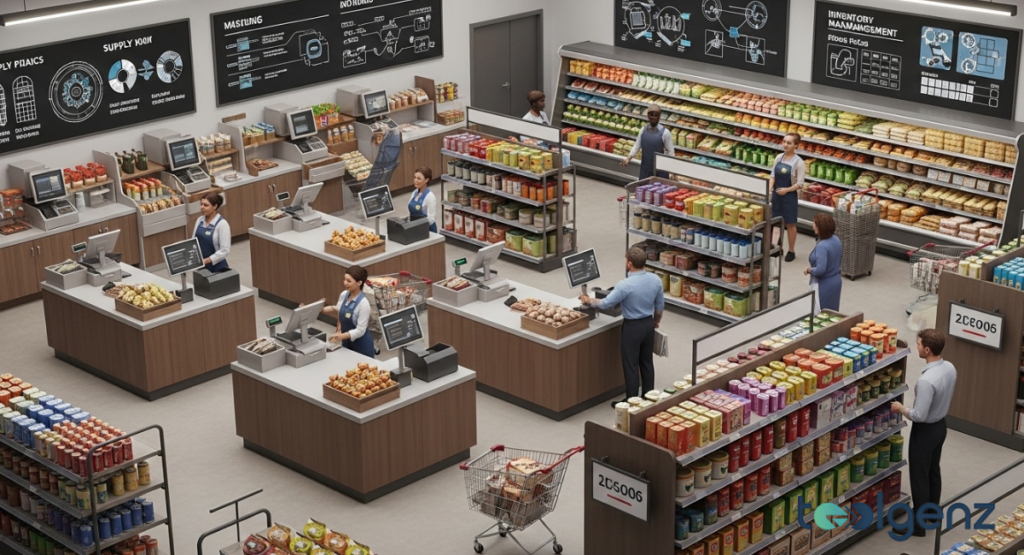
Government-run grocery stores in Canada are stores owned and operated by municipal or provincial authorities. The goal is to provide essential items at lower prices. Toronto plans to open four such stores, drawing inspiration from a similar initiative in New York City under Zohran Mamdani. The idea is simple: by controlling prices, essentials should become more affordable.
Running a store, however, involves managing inventory, staff, logistics, and suppliers. Governments rarely achieve the efficiency of private businesses, which can create operational challenges. Historical Canadian examples—Air Canada, Petro-Canada, and CN Rail—demonstrate that without profit incentives, these enterprises often struggled.
Enterprise Year Founded Outcome Lessons Learned
Air Canada 1937 Privatized 1988 Government struggled with efficiency
Petro-Canada 1975 Merged 2009 Limited competition hurt consumers
CN Rail 1919 Privatized 1995 Operations lacked profit-driven incentives
Why Basic Economics Challenges State-Controlled Retail
The principles of basic Canada economics make government grocery experiments complex. In a free market, prices naturally respond to supply and demand. Scarcity drives prices up, while abundance drives them down. Introducing price controls or subsidies can disrupt this balance, sometimes causing shortages or excess inventory.
For example, if the government sets bacon at $3—well below the market price of $6.52 in Ontario—taxpayer-funded subsidies must cover the difference. Private grocers might reduce supply or even exit the market, lowering competition and potentially hurting the very consumers the policy seeks to help.
Sharp Price Increases and the Growing Affordability Crisis
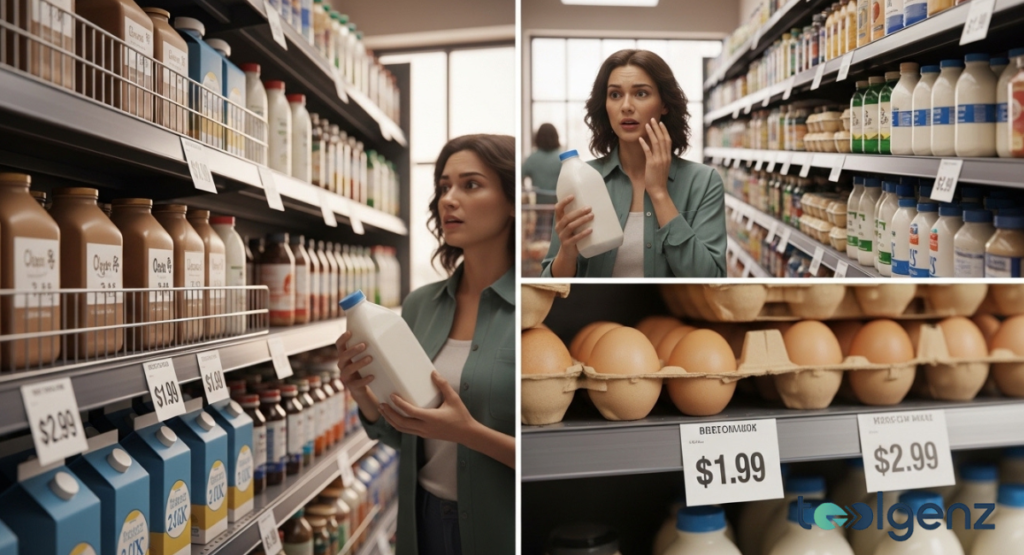
Many Canadians face a real cost-of-living crisis. Prices for groceries, housing, and utilities have surged due to rising input costs and supply chain challenges. According to the Bank of Canada, wages, import prices, and energy costs are major contributors.
Grocery price spikes are particularly concerning. A basic Canada basket containing bread, milk, eggs, and bacon now costs 20–30% more than five years ago. While this has fueled interest in government-run grocery stores in basic Canada, economists caution that such measures address only symptoms, not root causes like carbon taxes and supply constraints.
Food Insecurity: Millions Struggling to Afford Basic Necessities
Food insecurity is more than just a statistic—it represents the daily hardship millions of Canadians face in affording healthy meals. Over 4 million Canadians cannot consistently access nutritious food, with urban centers like Toronto showing even higher rates. Families often skip meals, rely on food banks, or cut back on essentials.
Supply management systems in Canada, which limit production in dairy, poultry, and eggs, also contribute to higher prices. Without addressing these systemic challenges, grocery affordability in basic Canada remains out of reach for many, particularly low-income households facing additional tax and fiscal pressures.
The Expanding Definition of Essentials: From Food to Pet Care
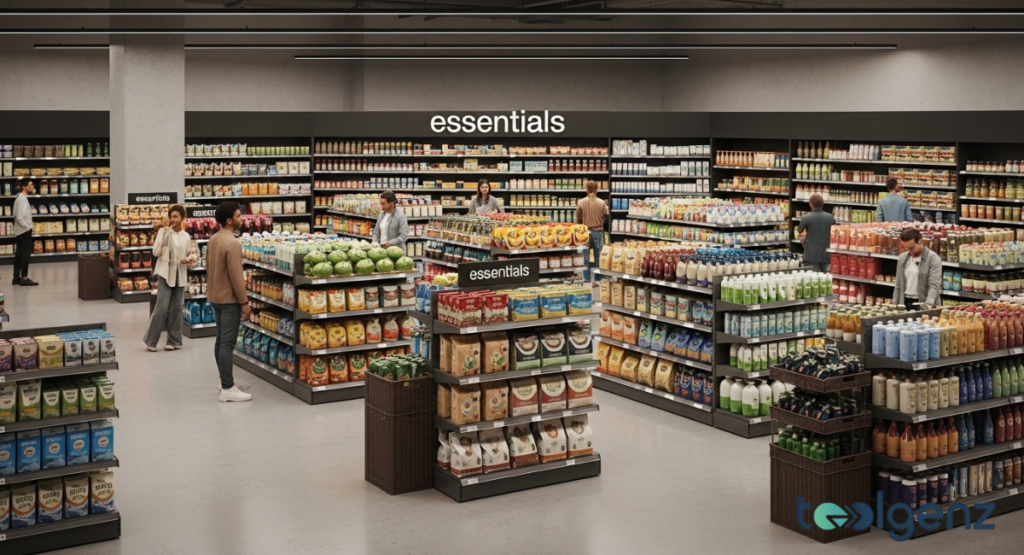
Essentials in basic Canada now encompass more than just human food. Pet care products, hygiene items, and basic Canada medicines have become regular parts of household budgets. Many Canadians spend hundreds of dollars annually on pet food alone, highlighting the broader impact of rising consumer prices.
As essentials expand, government attempts to regulate prices become more complex. If cities attempt to cap prices for pet food or other household goods, they risk logistical difficulties and inefficiencies similar to those seen in other state-controlled sectors.
Income Inequality and Its Impact on Consumer Purchasing Power
Income inequality magnifies the challenges of basic Canada economics. Wealthier households can absorb price increases, while lower-income families face difficult choices between food, rent, and utilities.
As purchasing power declines for middle- and low-income households, overall economic demand weakens. Government intervention alone cannot bridge this gap. Addressing inequality requires measures like tax reforms, targeted social assistance, and smart public spending policies to make a meaningful impact on affordability.
Political Responses and Policy Proposals in Canada
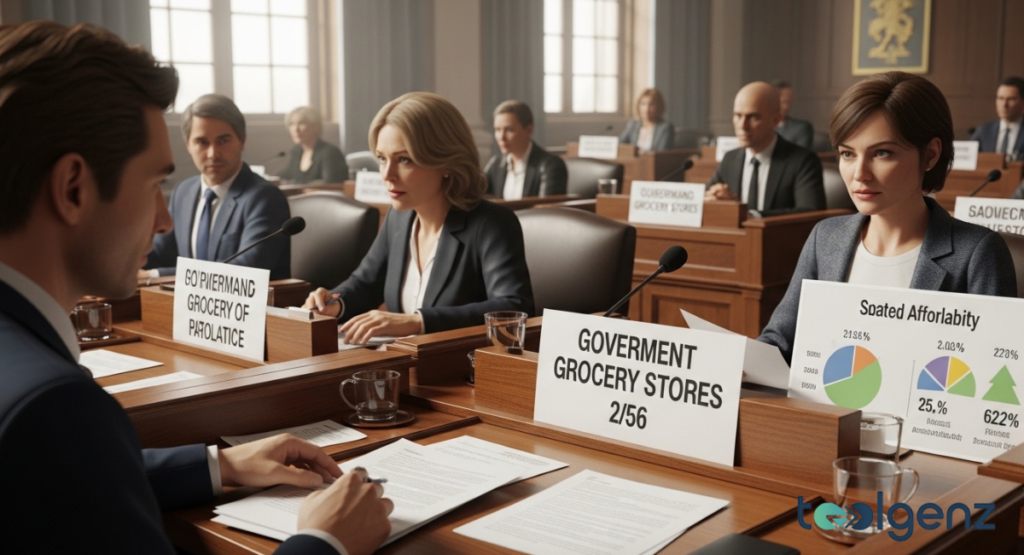
Toronto’s grocery initiative represents a bold and controversial move in basic Canada policy. City leaders argue it will help curb rising grocery prices, but economists remain skeptical. Meanwhile, federal discussions continue around supply management reform, carbon taxes, and subsidies.
Other proposals aim to strengthen market competition in retail. By reducing barriers for private grocers and improving operational efficiency, prices could stabilize without direct government control. Historical examples from other countries show that direct government intervention rarely resolves structural economic issues and can create inefficiency.
Public Reaction and Social Movements Around Cost of Living
Canadians have voiced widespread concern over the cost-of-living crisis in basic Canada. Social media campaigns, protests, and petitions reflect public frustration, with groups calling out both government inaction and overreach.
These movements also highlight broader economic issues, from carbon taxes to overall fiscal policy. Citizens often advocate for sustainable, long-term solutions rather than temporary fixes like government-run grocery stores.
Balancing Market Forces and Government Intervention
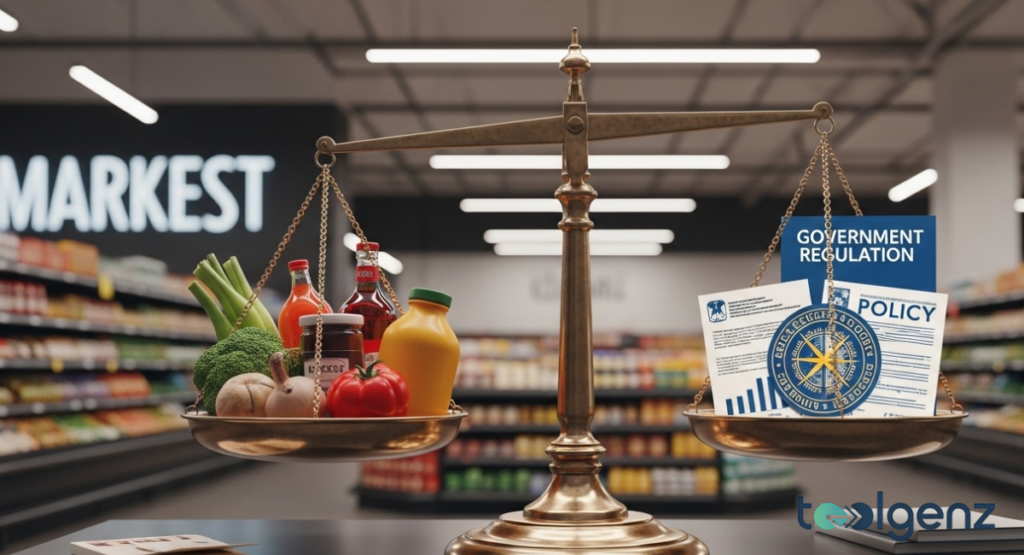
The key challenge is finding the right balance between market forces and government action. Policies should aim to promote competition, lower barriers, and protect vulnerable populations without disrupting natural supply and demand.
Economists suggest that targeted subsidies, improved supply chain management, and analysis of price elasticity can be more effective than direct government control. By facilitating solutions rather than running stores, governments can avoid inefficiencies while still supporting the public.
Conclusion: Can Government Grocery Stores Solve the Crisis?
Ultimately, government-run grocery stores in basic Canada are not a silver bullet. While they may provide temporary relief, structural issues like supply management, carbon taxes, and income inequality remain unresolved.
The way forward requires smart policies that blend regulation with free-market competition. The experience in basic Canada demonstrates that government support can help, but it cannot replace market mechanisms without significant trade-offs.
FAQs
What does “basic Canada” refer to in economic discussions?
It refers to essential goods, services, and economic policies that influence daily living costs, including groceries, housing, and healthcare.
Why are grocery prices rising in Canada?
Prices are increasing due to food inflation, higher production and transportation costs, wages, and government policies like supply management.
What are government-run grocery stores in Canada?
These stores are operated by municipal or provincial governments to offer lower prices on essentials, though they may face operational and efficiency challenges.
How does government intervention affect prices?
While intervention can temporarily reduce prices, it can disrupt competition and often relies on taxpayer-funded subsidies.
How does this impact Americans?
Rising prices and economic trends in basic Canada influence cross-border trade, import costs, and provide lessons for U.S. economic policy and consumer behavior.