
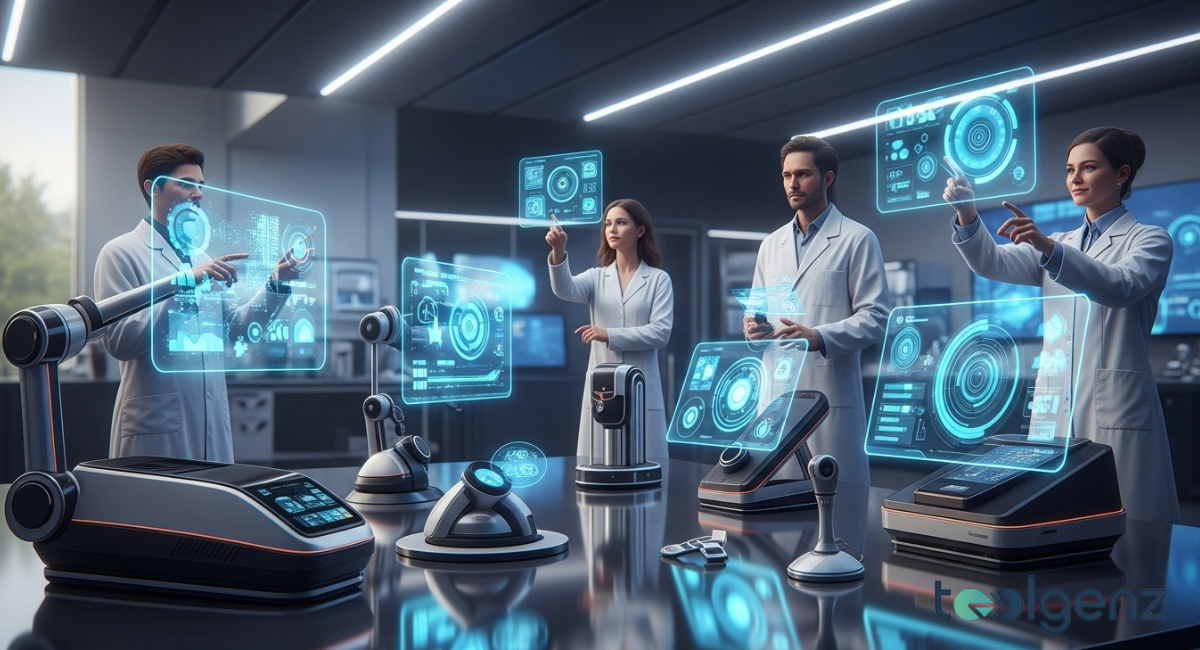
In today’s rapidly evolving digital landscape, businesses are exploring new ways to create content and connect with audiences. One approach making waves is the new technology campaign, which leverages creative AI agents to automate tasks, generate ideas, and optimize messaging across text, images, video, and audio.
Both startups and global brands are experimenting with these AI-driven innovations to speed up workflows, improve efficiency, and deliver more personalized campaigns. By using platforms like Luma Agents and AI-powered creative workflows, companies can streamline production, cut costs, and highlight their innovative edge, making a new technology campaign a strategic advantage for marketing teams everywhere.
Introduction to the New Technology Campaign
A new technology campaign goes beyond simply launching a product or software—it’s a way for companies to demonstrate innovation, highlight capabilities, and capture audience attention. Luma’s initiative is a prime example of this strategy. By integrating AI-driven creative automation, the platform helps marketing teams reduce repetitive tasks and focus more on strategy and creative vision rather than day-to-day production.
In practice, a new technology campaign emphasizes measurable results. Agencies can track engagement, optimize campaigns in real-time, and produce content that meets brand standards faster than traditional methods. Combining creative automation with AI reasoning ensures campaigns are not just quicker—they’re smarter, reshaping how brands approach marketing and setting a blueprint for future tech-driven campaigns.
What Are Creative AI Agents?

Creative AI agents are intelligent systems that generate content across multiple media types. Unlike traditional AI, which requires constant direction, these agents can work independently, producing text, images, video, and audio while maintaining context and quality.
For example, an agency using Luma Agents can turn a single campaign brief into dozens of localized ads in just hours instead of weeks. The agents continually refine their outputs through self-review, improving with each iteration. In a new technology campaign, this capability is invaluable, allowing businesses to scale creative operations and deliver consistent, high-quality campaigns across multiple markets.
Understanding Unified Intelligence Models
At the core of Luma’s platform is the Unified Intelligence system, powered by the Uni-1 model. This system integrates multiple AI technologies—including Luma’s Ray 3.14, Google’s Veo 3, Nano Banana Pro, ByteDance’s Seedream, and ElevenLabs voice models enabling AI to reason across language, images, audio, and spatial content.
This architecture provides what Luma CEO Amit Jain calls “intelligence in pixels.” Simply put, the AI can interpret instructions, visualize outcomes, and produce outputs that meet human creative standards. For any new technology campaign, such models allow companies to maintain consistent quality, create diverse content formats, and iterate rapidly without compromising their creative vision.
Goals and Objectives of the Campaign

The main goal of Luma’s new technology campaign is to show how AI can transform creative industries. By demonstrating AI-powered creative workflows, the campaign highlights efficiency, accuracy, and innovation. Marketing teams and ad agencies can use these tools to produce more content in less time, all while keeping quality high.
The campaign also aims to educate the market on end-to-end creative work. Brands can scale campaigns globally, optimize ad performance, and track engagement across channels. The objectives are clear: showcase AI’s potential, drive adoption of Luma Agents, and set a benchmark for tech-driven marketing initiatives.
Case Study: Luma’s AI in Action
Luma has implemented its platform with several high-profile clients. Adidas, for example, generated multiple versions of a seasonal ad campaign in just 40 hours, saving millions in traditional production costs. Mazda used Luma Agents to create localized ads across global markets while maintaining quality and accuracy throughout the process.
| Brand | Campaign Duration | Content Types Generated | Cost Savings |
|---|---|---|---|
| Adidas | 40 hours | Video, Image, Text | $14 million |
| Mazda | 3 days | Video, Image, Audio | $1.2 million |
| Humain | 48 hours | Text, Audio, Visual Concepts | $500,000 |
These examples show that a well-executed new technology campaign can deliver speed, efficiency, and creative excellence at the same time. Luma Agents demonstrate how AI can maximize output while reducing traditional resource constraints.
Challenges in Implementing Technology Campaigns

Despite their benefits, new technology campaigns come with challenges. Understanding AI’s capabilities can be difficult for marketing teams, requiring time and investment to train staff and adjust workflows.
Ethical considerations and AI bias must also be addressed. Since creative AI agents operate autonomously, companies need oversight to ensure content aligns with brand values. Technical limitations and integration with existing systems can pose hurdles as well. With careful planning and iterative learning, these obstacles can be managed, allowing smooth implementation across industries.
Public and Industry Reactions
The launch of Luma Agents has drawn attention from both tech communities and the public. Analysts highlight that AI’s ability to maintain context and continually refine outputs sets it apart from traditional tools. Agencies like Publicis Groupe and Serviceplan are exploring how these agents can reduce errors and accelerate workflows.
Public reception has been equally positive. Businesses are excited about the potential for faster, more efficient campaigns that still deliver high-quality creative results. This enthusiasm shows that a new technology campaign can influence industry adoption while generating media buzz on platforms like TechCrunch.
Lessons for Future New Technology Campaigns

A key takeaway is that successful AI adoption focuses on integrating tools into workflows rather than simply showcasing new technology. Companies embracing AI for end-to-end content generation see the most significant efficiency gains.
Case studies are also essential. Demonstrating real-world outcomes, such as Luma’s work with Adidas and Mazda, builds trust and provides benchmarks for optimizing campaigns with AI. For any future new technology campaign, strategic planning and documentation are crucial to educate the market and drive adoption.
Broader Implications for Marketing and AI
AI-driven campaigns are redefining digital marketing. With tools like Luma Agents, brands can achieve speed, creativity, and consistency across platforms. Beyond marketing, creative AI agents can support internal communications, training, and personalized content.
For U.S.-based companies, adopting a new technology campaign approach is vital to staying competitive in a global market increasingly driven by AI-powered efficiency and innovation.
Conclusion: The Future of AI-Driven Campaigns
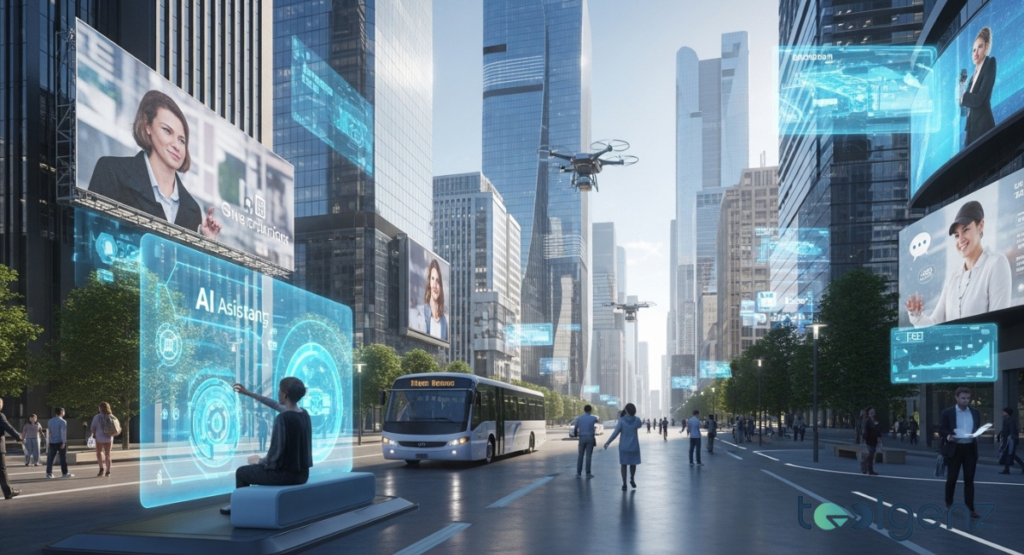
The success of Luma’s platform shows that the future of creative marketing lies in AI-powered automation. By combining Unified Intelligence models, self-review processes, and end-to-end content generation, companies can scale campaigns faster, smarter, and more efficiently.
For marketers, ad agencies, and brands, embracing AI through structured new technology campaigns is no longer optional it’s essential for remaining competitive. As AI evolves, tools will continue to redefine creativity, strategy, and audience engagement worldwide.
FAQs
What is a new technology campaign?
A new technology campaign is a strategic marketing initiative that uses advanced tools like AI to innovate, engage audiences, and showcase products or services effectively.
How do creative AI agents support these campaigns?
Creative AI agents automate content creation across text, images, video, and audio, helping teams work faster and more efficiently.
What are the benefits of using AI in marketing campaigns?
AI enables end-to-end creative work, optimizes content for different audiences, reduces costs, and ensures consistent quality.
Which industries can benefit from a new technology campaign?
Marketing teams, ad agencies, design studios, and global brands can all leverage AI to scale campaigns and increase engagement.
How does Luma’s Unified Intelligence improve campaign performance?
Unified Intelligence models maintain context, self-review outputs, and apply multimodal reasoning, enabling faster, smarter, and more accurate content creation.