
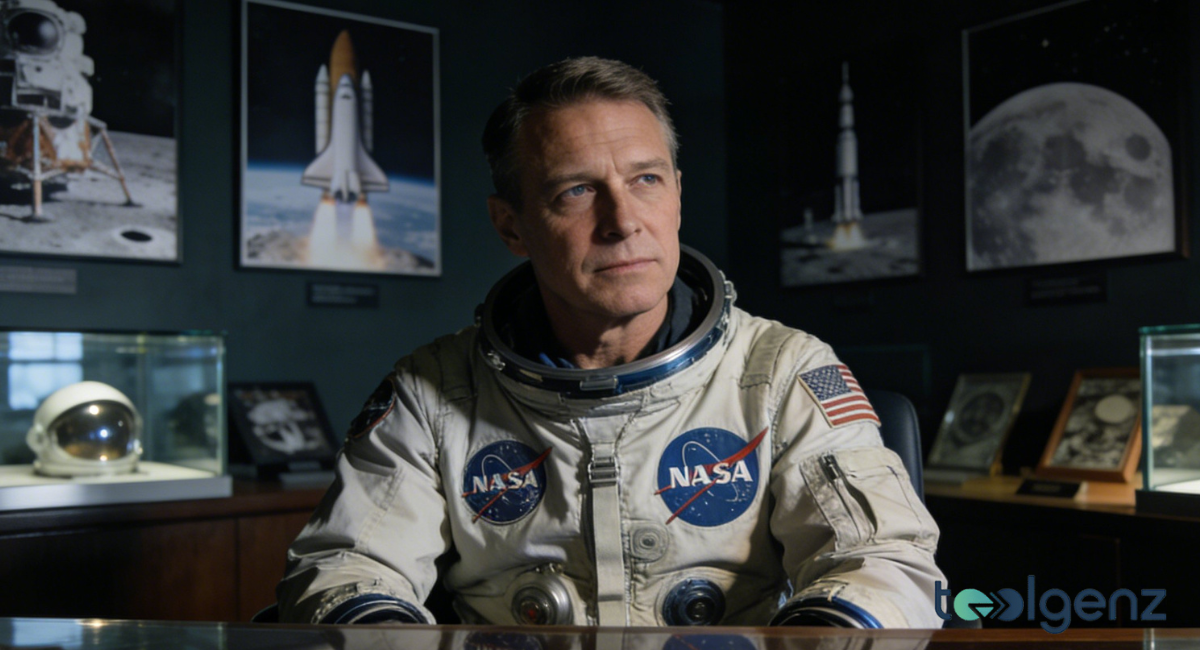
Early Life and Education
Neil Armstrong’s story is legendary, yet it all began with a childhood fascination with airplanes and a deep curiosity about the skies. From a young age, he was captivated by the mechanics of flight and often spent hours building model airplanes, dreaming of soaring through the clouds.
His passion for aviation wasn’t just a hobby it became a guiding force that shaped his character, teaching him patience, precision, and the importance of learning from failure.
Known worldwide as the first man to walk on the Moon, his path was shaped by determination, courage, and years of studying aeronautical engineering. Armstrong’s early experiences with flight inspired a lifelong quest for knowledge, pushing him to explore not just the physical limits of aircraft, but the frontiers of human possibility.
His curiosity extended beyond airplanes to the stars themselves, fueling a desire to understand the vast universe and mankind’s place within it.
When millions watched the lunar landing in 1969, his calm voice carried humanity’s most daring step forward. The world admired not just his achievement, but the humility and focus with which he approached this historic moment.
Even in his early years, Armstrong’s blend of curiosity, discipline, and courage foreshadowed the remarkable accomplishments that would define his life.
Today, Armstrong’s legacy continues to inspire explorers, engineers, and dreamers, reminding us that curiosity and perseverance can lead to extraordinary achievements.
His story is a testament to the power of following one’s passion, embracing challenges, and striving for excellence, proving that even the sky is not the limit when determination and imagination guide the way.
Naval Service and Korean War Experience
Before venturing into space, Neil Armstrong showed remarkable bravery as a naval aviator during the Korean War.
Flying the Grumman F9F Panther in combat, he faced heavy fire and extreme danger.
One dramatic moment saw him eject near the aircraft carrier USS Essex after sustaining wing damage.
These experiences weren’t just narrow escapes they forged his resilience and composure, qualities that would serve him throughout his NASA career.
College Years and Engineering Career
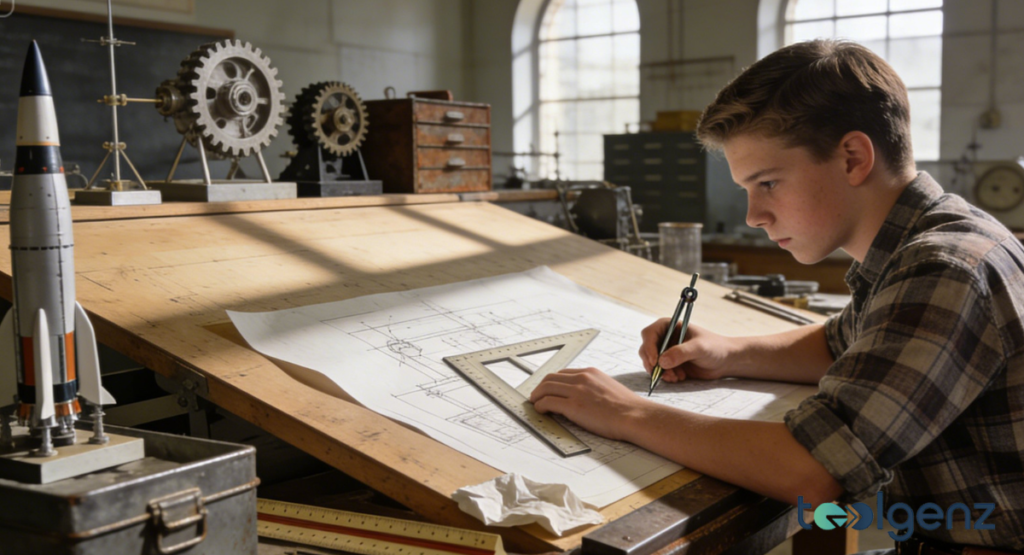
After his military service, Neil Armstrong returned to Purdue University, immersing himself in aeronautics.
His studies went beyond grades; he sought a deep understanding of flight.
This strong foundation prepared him for real-world challenges in space missions.
Shortly afterward, he joined NACA, which would later become NASA, working as a research test pilot on cutting-edge aircraft.
These early professional experiences combined knowledge and skill, quietly shaping the astronaut he would become.
Test Pilot Career and NASA Selection
Armstrong’s work as a test pilot put him in extreme and sometimes dangerous conditions.
He piloted advanced aircraft, including the X-15, reaching incredible speeds and altitudes.
These flights demanded quick thinking, technical expertise, and calm under pressure.
Known for his composure and precision, Neil Armstrong quickly became a top candidate when NASA began selecting astronauts, setting the stage for his historic space missions.
Astronaut Career and Apollo Missions
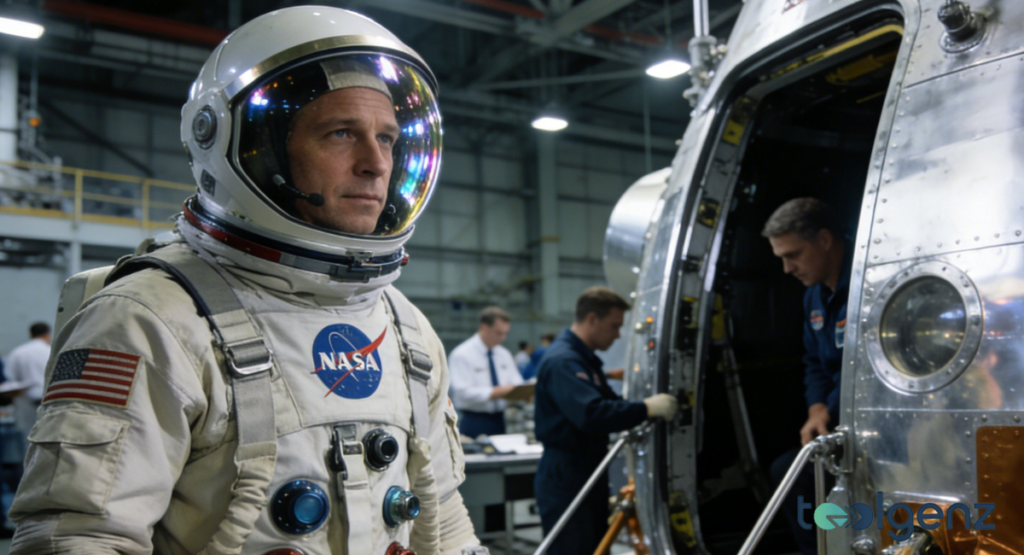
Neil Armstrong career reached new heights with the Gemini 8 mission, where he performed the first successful spacecraft docking.
A sudden spin nearly ended the mission, but his quick thinking saved the crew.
Later, during the historic Apollo 11 mission, he stepped onto the Moon alongside Buzz Aldrin and Michael Collins.
His words on the lunar surface captured the awe of millions, marking a milestone that would define human exploration for generations.
What Neil Armstrong Took from the Moon (Apollo 11 Insights)
During Apollo 11, Neil Armstrong collected more than just memories.
He brought back Moon rocks that scientists continue to study today, helping unlock secrets about the Moon’s formation.
He also carried small symbolic items representing human unity, showing that even modest gestures can carry profound meaning.
The mission wasn’t only about landing; it was about returning knowledge to Earth to benefit all of humanity.
Lunar Samples, Equipment, and the “McDivitt Purse” Explained
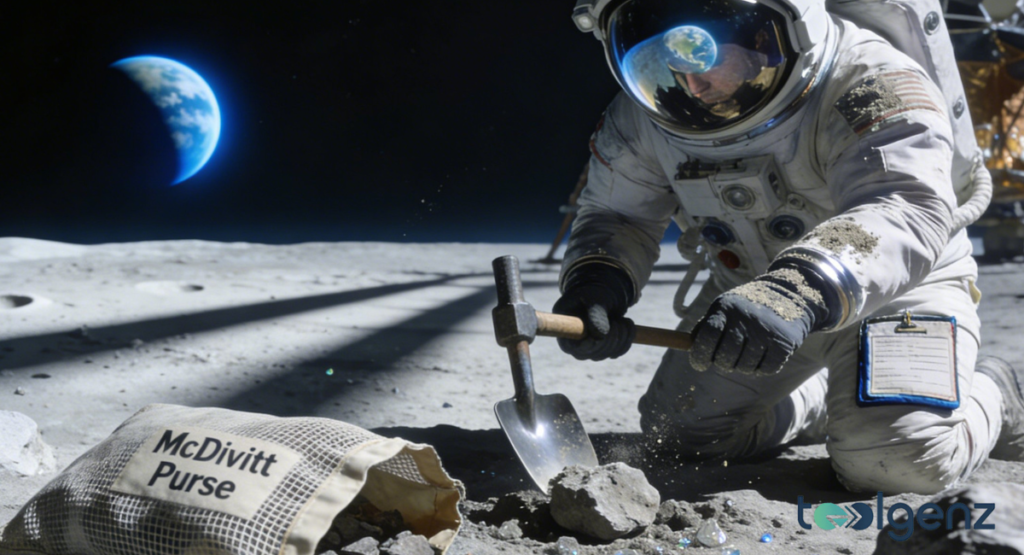
A lesser-known detail of Apollo 11 is the “McDivitt Purse,” a bag used to store tools and scientific instruments.
Inside were items essential for collecting Moon samples during extravehicular activity (EVA).
Each piece of equipment, from cameras to sample containers, played a critical role in turning the Moon landing into both a historical and scientific triumph.
| Item | Purpose | Importance |
|---|---|---|
| Sample Bags | Collect Moon rocks | Scientific research |
| Cameras | Capture images | Historical record |
| Tools | Surface analysis | Data collection |
Personal Life and Character
Despite his global fame, Neil Armstrong remained humble and private.
His disciplined nature, shaped by years in aviation and astronaut training, defined both his work and personal life.
After leaving NASA, he became an aerospace engineering professor at the University of Cincinnati, sharing knowledge with students and emphasizing that true success includes giving back.
His humility and steadiness earned him admiration far beyond the astronaut community.
Illness and Death
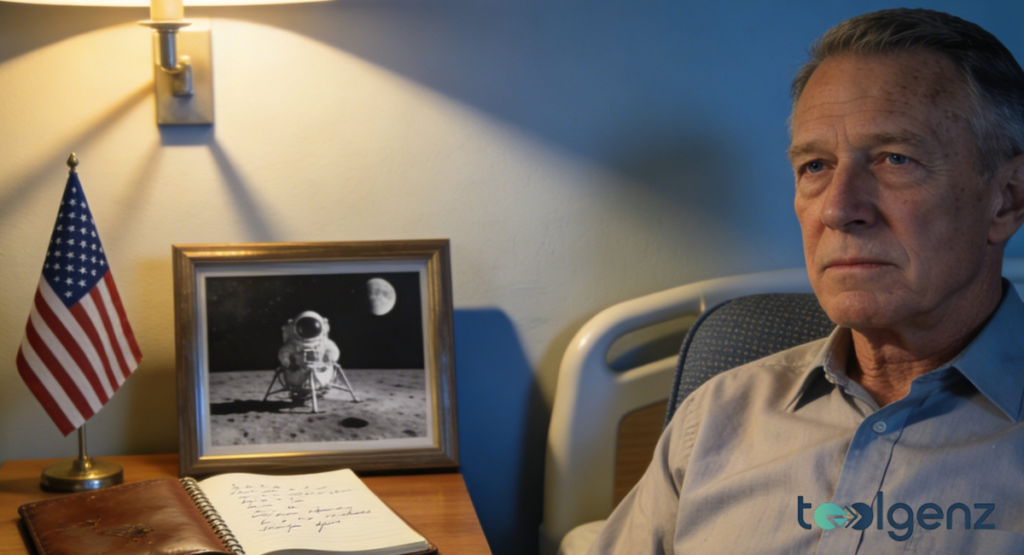
In 2012, the world lost Neil Armstrong following complications from heart surgery.
His passing was a moment to reflect on the courage and dedication that marked America’s space program.
Leaders like John F. Kennedy had once inspired the missions, and Richard Nixon celebrated their success.
Armstrong’s death reminded generations of the bravery behind humanity’s historic space achievements.
Legacy and Historical Impact
Armstrong’s legacy goes far beyond a single step on the Moon.
He became a symbol of the Space Race and a representation of human ambition during the Cold War era.
Millions watched the first Moon landing in 1969, uniting the world in a shared sense of wonder.
Decades later, his work continues to inspire new missions, technological breakthroughs, and the spirit of exploration.
Neil Armstrong didn’t just walk on the Moon—he reshaped how humanity views the universe.
FAQs
Who was actually the first man on the Moon?
Neil Armstrong was the first human to step onto the lunar surface during Apollo 11.
Why is July 21, 1969 famous?
It marks the day Armstrong became the first person to walk on the Moon, a historic moment in space exploration.
Why did Neil Armstrong quit NASA?
He left NASA in 1971 to focus on teaching and his private life after completing his space missions.
How much money did Neil Armstrong get?
Armstrong was paid a regular government salary as an astronaut; the historic Moonwalk did not come with extra compensation.
What will happen to the Moon in 2028?
No major events are expected, although future space missions may continue exploring the Moon.