
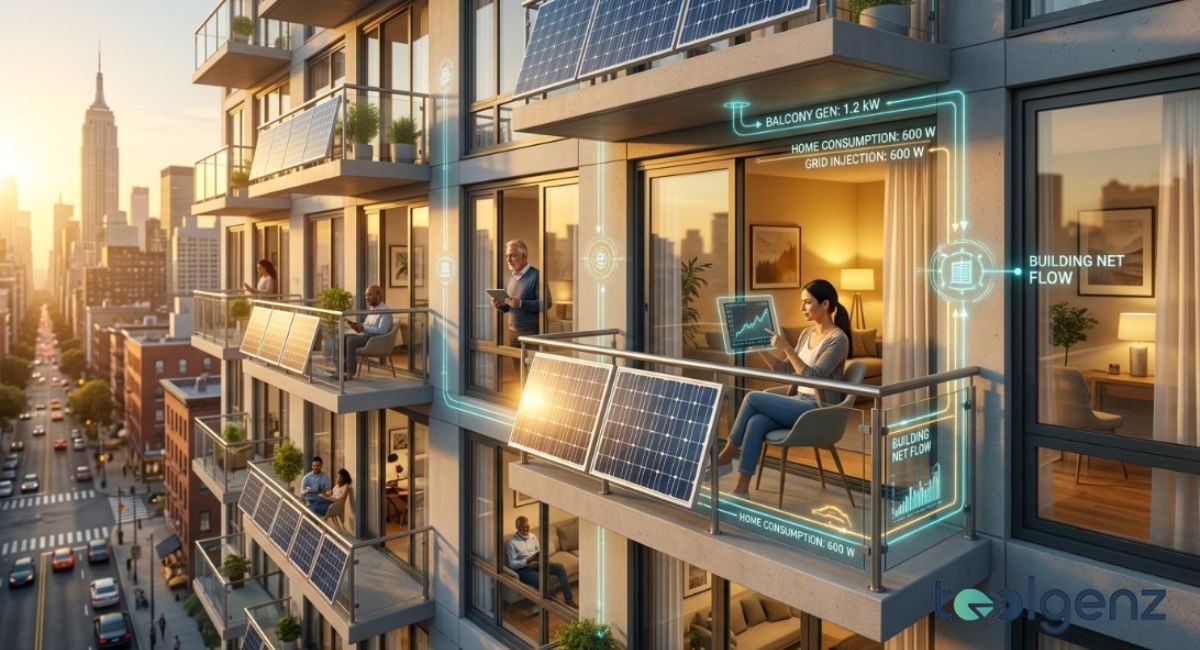
The Rise of Balcony Solar in the U.S. and Policy Shifts
The growth of Balcony Solar systems is changing how Americans think about home energy. Many households are now exploring simple plug-in solutions that help reduce electricity bills without major installation work. This shift is especially noticeable in cities where space is limited and renters are looking for affordable clean energy options.
At the same time, rising utility costs are pushing more people to consider Solar as a practical alternative. These systems are becoming easier to install, more efficient, and more accessible for everyday users.
Experts believe Balcony Solar will continue to grow as technology improves and awareness increases. In the coming years, this trend may reshape how electricity is produced and consumed at the household level.
Colorado Approves Balcony Solar but Faces Market Availability Challenges
Colorado’s updated solar regulations represent an important milestone for Balcony Solar adoption in the United States. The new law allows small plug-in systems, but it also enforces strict safety and certification requirements.
However, the market is still catching up. Many Balcony Solar products must meet UL certification standards, which has slowed availability. While demand is rising due to higher electricity prices, supply remains limited.
Industry specialists expect Balcony Solar manufacturers to gradually release compliant products. This transition will likely improve safety and consumer confidence over time.
Why You Should Wait Before Buying Balcony Solar Panels
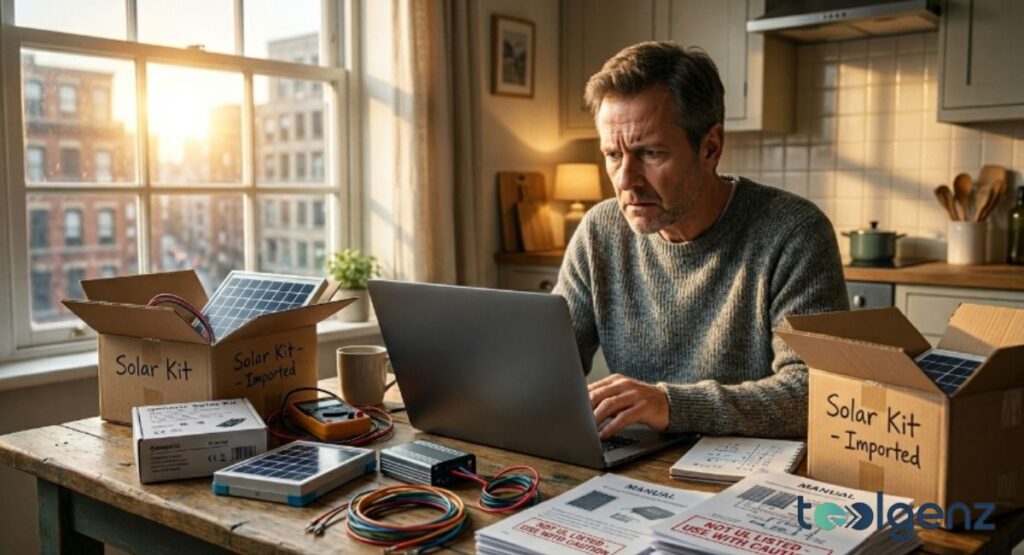
Waiting for clearer regulations and certified products can prevent costly compliance issues.
Interest in Balcony Solar is increasing rapidly, but experts suggest that buyers should be cautious. Early models may not always meet safety or performance expectations.
Some uncertified systems can fail to deliver expected energy savings. As the Balcony Solar market matures, newer models are likely to offer better efficiency and longer lifespan.
Taking a patient approach may help consumers avoid unnecessary costs while ensuring they invest in reliable Balcony Solar solutions in the future.
State-Level Renewable Energy Push: The Utah Initiative Explained
Utah has played an important role in encouraging Balcony Solar adoption through early renewable energy policies. These initiatives support small-scale solar systems and encourage broader participation in clean energy.
By supporting distributed energy systems, Utah has helped create momentum for Balcony Solar across other states. This approach improves energy flexibility and reduces pressure on traditional grids.
As more states consider similar policies, Balcony Solar could become a standard feature in urban housing developments nationwide.
Solar Energy and Wildlife Impact: What the Ivanpah Case Reveals

The Ivanpah case sparked debate on balancing clean energy output with environmental protection.
Large-scale solar projects, including discussions around Balcony Solar, highlight both the benefits and challenges of renewable energy expansion. The Ivanpah solar plant has raised concerns about wildlife impact due to heat-related bird fatalities.
This case shows that while Balcony Solar and other solar technologies reduce carbon emissions, they must also be developed with environmental care in mind.
Balancing clean energy growth with ecological protection remains an important challenge for the industry.
How Regulations Are Addressing Environmental Risks in Solar Projects
Governments are updating policies to ensure that Balcony Solar systems and larger solar installations remain safe and environmentally responsible. Instead of focusing only on penalties, regulators are now emphasizing prevention and monitoring.
These updated frameworks help ensure that Balcony Solar expansion does not negatively affect ecosystems or infrastructure.
Over time, improved standards and better technology are expected to make these systems systems safer and more efficient for widespread use.
The Economic Reality of Solar: Tax Credits, Tariffs, and Market Decline

Tax credits and policy changes now play a bigger role in project economics than ever before.
Policy changes have directly impacted Balcony Solar adoption in recent years. The expiration of tax credits and increased tariffs have raised installation costs for many households.
As a result, fewer consumers are investing in Balcony Solar, especially in early-stage markets. Supply chain issues have also contributed to delays and higher prices.
These economic pressures have created uncertainty in the these systems sector, slowing down what was previously rapid growth.
Sunrun’s Sales Drop: What It Signals for the Solar Industry
Recent market trends show that companies involved in Balcony Solar and residential energy systems are adjusting to new economic conditions. Some firms have experienced a decline in new customer sign-ups due to rising costs.
Despite this slowdown, the long-term outlook for Balcony Solar remains stable. Companies are focusing more on energy storage and distributed systems to support future demand.
This shift indicates that these systems will continue evolving as part of a broader energy transformation.
Key Trends Shaping the Future of the Electric Utility Industry

Real-time monitoring ensures grid stability as more distributed energy sources come online.
The utility industry is adapting to the growing presence of Balcony Solar systems. Companies are investing in smarter grids and improved infrastructure to handle decentralized energy production.
These upgrades support better reliability and reduce outages while integrating Balcony Solar into existing systems.
As technology advances, these systems is expected to play a larger role in shaping modern energy networks.
What’s Next for Solar Adoption in the U.S. Market
The future of Balcony Solar in the United States looks promising as more consumers look for affordable energy solutions. Improved technology and supportive policies are expected to drive adoption forward.
In many regions, Balcony Solar is already helping homeowners reduce electricity costs while increasing energy independence.
Over time, these systems may become a common feature in apartment buildings and urban housing developments.
Final Thoughts: Is Balcony Solar the Future of Clean Energy in America?
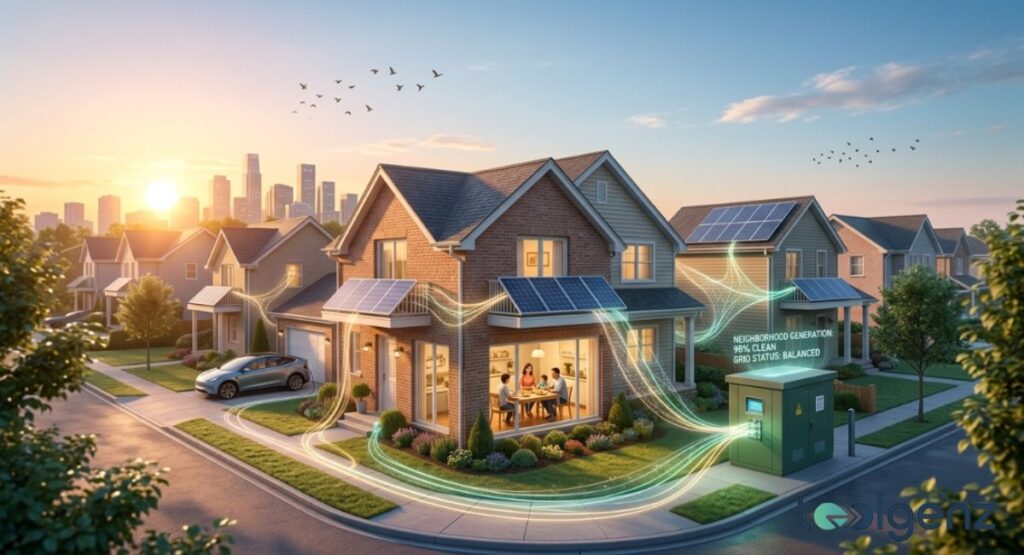
Smart grid tech turns individual homes into active contributors to a cleaner power network.
The growth of Balcony Solar shows a clear shift toward more flexible and accessible energy solutions. As technology improves, households will have more control over how they generate and use electricity.
Policy support and innovation will play a key role in shaping the future of Balcony Solar systems across the country.
In the long run, these systems could become a major part of America’s clean energy transition.
FAQS
Why is my electric bill so high when I have solar panels?
Because homes still rely on grid electricity during nighttime or low sunlight periods.
Can a house run 100% on solar?
Yes, but it requires strong storage systems and sufficient solar capacity.
Will a 5kW solar system run a house?
It can support a small household, but usage patterns matter.
What exactly is solar energy?
It is electricity generated from sunlight using solar panels.
Why is it hard to sell a house with solar panels?
Some buyers worry about system ownership, loans, or maintenance costs.